
The construction industry is increasingly driven by flexibility, speed, and cost efficiency. As infrastructure projects become more complex and geographically dispersed, contractors are seeking solutions that can adapt to changing site conditions and production demands. A modular RMC concrete batching plant has emerged as one of the most effective solutions for modern ready-mix production. It combines scalable design with efficient operation, making it suitable for both small contractors and large-scale infrastructure developers.
At the same time, many investors are exploring opportunities in concrete production and asking practical questions such as how to start RMC plant, while also evaluating suppliers and technologies offered by ready mix concrete plant manufacturers. Understanding modular systems is essential for making informed investment decisions in this growing sector.
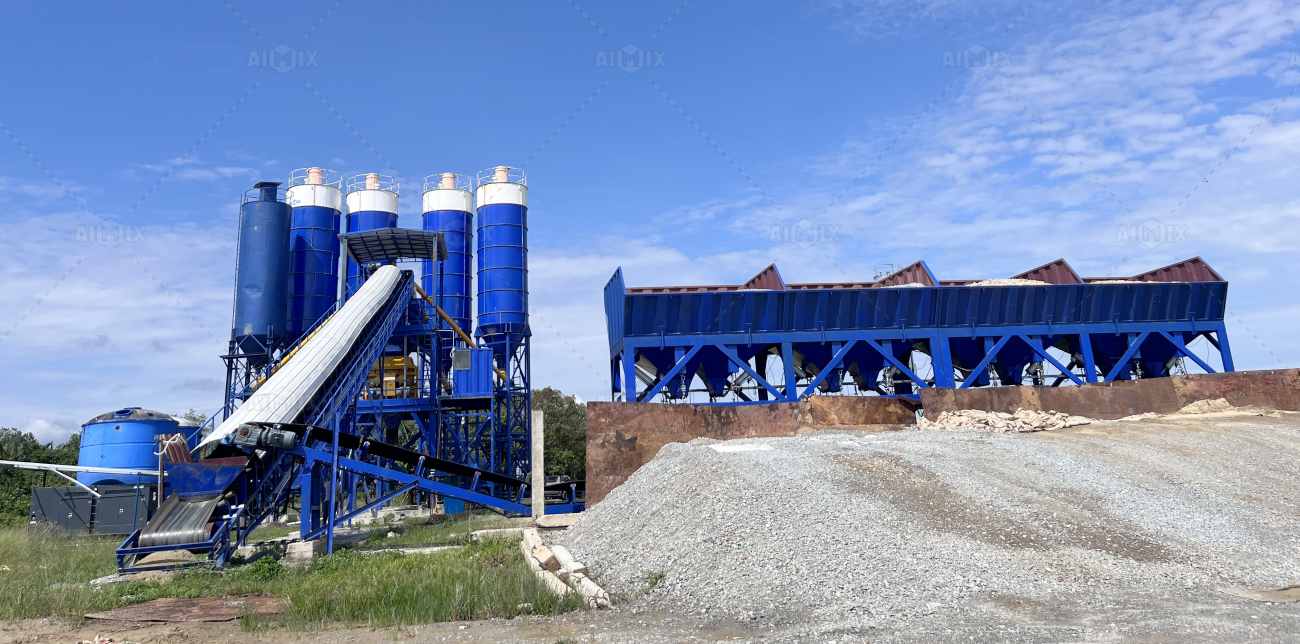
What Makes a Modular RMC Concrete Batching Plant Different
A modular RMC plant is designed using prefabricated sections or modules that can be easily assembled, disassembled, and expanded. Unlike traditional fixed plants that require extensive civil foundation work and long installation timelines, modular systems are built for faster deployment and future scalability.
Each module typically represents a key functional unit such as aggregate batching, cement storage, mixing, or control systems. These units can be transported separately and installed step by step on-site. This structure reduces installation complexity and allows contractors to customize plant capacity based on project requirements.
For businesses exploring how to start RMC plant, this modular approach significantly lowers the entry barrier by reducing upfront infrastructure costs and allowing gradual expansion as demand grows.
Flexibility for Diverse Construction Projects
One of the main advantages of modular RMC batching plants is operational flexibility. Construction projects often vary in scale—from residential developments and roadworks to large infrastructure projects such as bridges and airports. A fixed plant may struggle to adapt to these variations efficiently.
Modular systems solve this challenge by allowing capacity adjustments through additional modules or configuration changes. Contractors can start with a small setup and expand production capacity as projects increase.
In some cases, modular plants are integrated with a mobile rmc plant, providing even greater flexibility. While modular systems offer scalability, mobile units allow rapid relocation between job sites, making them ideal for contractors managing multiple short-term projects.
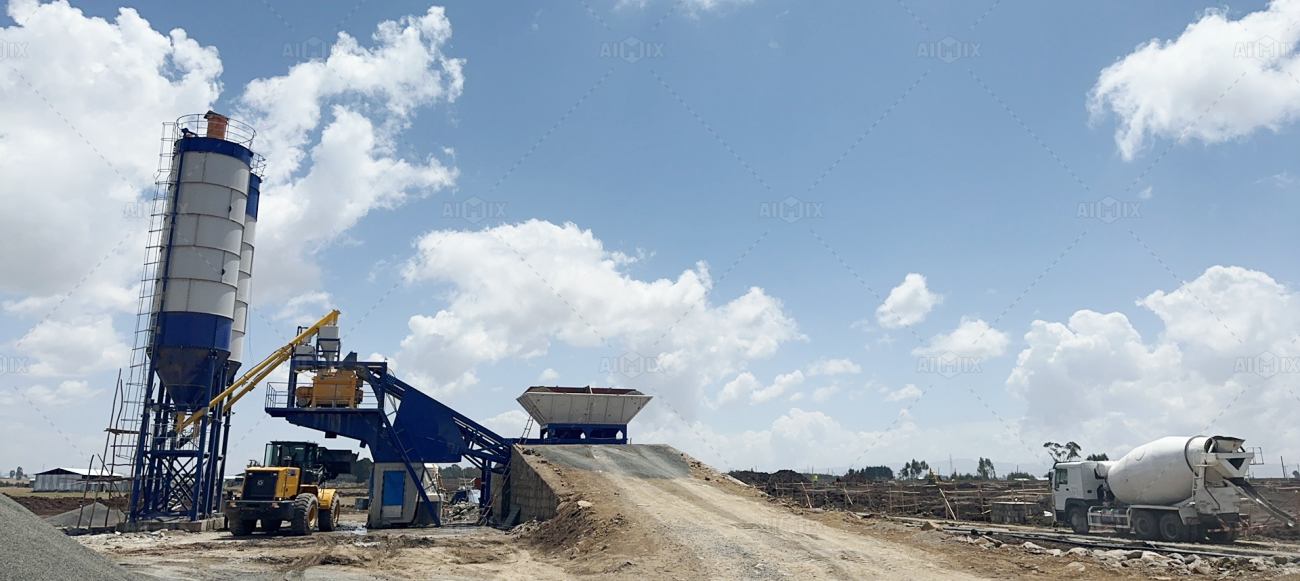
Faster Installation and Reduced Setup Costs
Traditional concrete batching plants often require significant time for civil engineering works, foundation construction, and system installation. This can delay project timelines and increase initial investment costs.
A modular RMC plant significantly reduces installation time because most components are pre-engineered and factory-tested before delivery. Once on-site, the modules are simply assembled and connected.
This streamlined process helps contractors begin concrete production much faster, improving project efficiency. It also reduces dependence on heavy civil construction work, making modular plants a cost-effective choice for companies researching how to start RMC plant.
Integration with Mobile RMC Plant Solutions
In modern construction environments, flexibility is not just about scalability but also mobility. A mobile rmc plant complements modular systems by enabling on-site concrete production at multiple locations.
While modular plants are ideal for semi-permanent installations, mobile units can be relocated quickly as project demands shift. This combination is especially useful for road construction, remote infrastructure projects, and geographically dispersed job sites.
By integrating both modular and mobile systems, contractors can build a hybrid production strategy that maximizes efficiency while minimizing transportation costs and downtime.
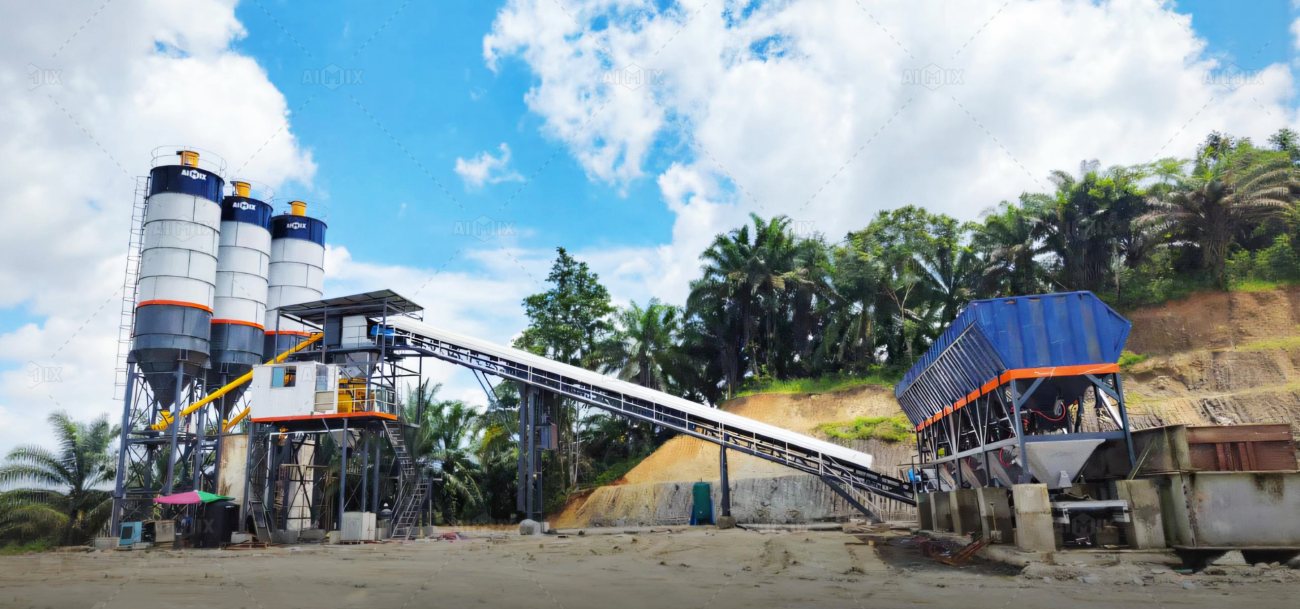
Role of Ready Mix Concrete Plant Manufacturers
The quality, performance, and reliability of a modular batching system heavily depend on the expertise of ready mix concrete plant manufacturers. These manufacturers design and supply complete systems, including mixing units, aggregate storage, weighing systems, cement silos, and control panels.
Reputable manufacturers focus on precision engineering, automation, and durability. They also offer customization options based on regional conditions, such as climate, material availability, and regulatory standards.
When selecting a supplier, investors learning how to start RMC plant should carefully evaluate manufacturer experience, after-sales support, spare parts availability, and technical service capabilities. A reliable manufacturer ensures long-term operational stability and reduces maintenance risks.
Cost Efficiency and Investment Advantages
A modular RMC plant offers significant cost advantages compared to traditional systems. Because it reduces civil construction requirements and allows phased investment, contractors can better control cash flow.
Instead of purchasing a large fixed plant upfront, investors can start with a smaller modular configuration and expand later. This approach reduces financial risk and improves return on investment.
Additionally, improved automation and efficient material handling systems help reduce labor costs and material waste. These operational efficiencies are key reasons why many contractors are shifting toward modular systems when evaluating how to start RMC plant.
Productivity and Operational Performance
Modern modular plants are equipped with advanced automation systems that ensure accurate batching, consistent mixing quality, and real-time monitoring. These systems help maintain stable concrete quality, which is essential for structural safety and durability.
The integration of digital control systems allows operators to monitor production data, adjust mix designs, and optimize output based on project requirements. This leads to higher productivity and reduced downtime.
When combined with mobile solutions like a mobile rmc plant, contractors can maintain continuous production across multiple job sites without compromising quality or efficiency.
Conclusion
A modular RMC concrete batching plant represents a modern solution for contractors seeking flexibility, scalability, and cost efficiency in concrete production. Its modular design allows easy expansion, faster installation, and reduced investment risk, making it an attractive option for both new investors and established construction companies.
For those exploring how to start RMC plant, modular systems offer a practical entry point into the ready-mix industry with manageable capital requirements and scalable growth potential. At the same time, collaboration with experienced ready mix concrete plant manufacturers ensures reliable performance and long-term operational success.
As construction demands continue to evolve, combining modular batching technology with mobile systems like a mobile rmc plant will remain a key strategy for achieving efficiency, adaptability, and competitive advantage in the global concrete industry.