
Choosing the right concrete batching plant can affect project costs, concrete supply, installation time, and daily construction progress. For contractors, the best option depends on project duration, required output, site conditions, and whether concrete will be produced for internal use or commercial sale. Stationary, foundation-free, mobile, and ready-mix concrete batching plants serve different needs.
1. Stationary Concrete Batching Plants for Long-Term Projects
A stationary concrete batching plant is suitable for contractors managing large infrastructure projects, commercial developments, bridges, or long-term construction sites. It typically provides a stable production setup and can be configured to meet specific output requirements.
This type is worth considering when a project requires a consistent concrete supply over an extended period. However, contractors should evaluate foundation work, installation time, site preparation, and future relocation costs before making a decision.
Best for: Long-term projects with predictable demand, sufficient installation space, and relatively stable production locations.
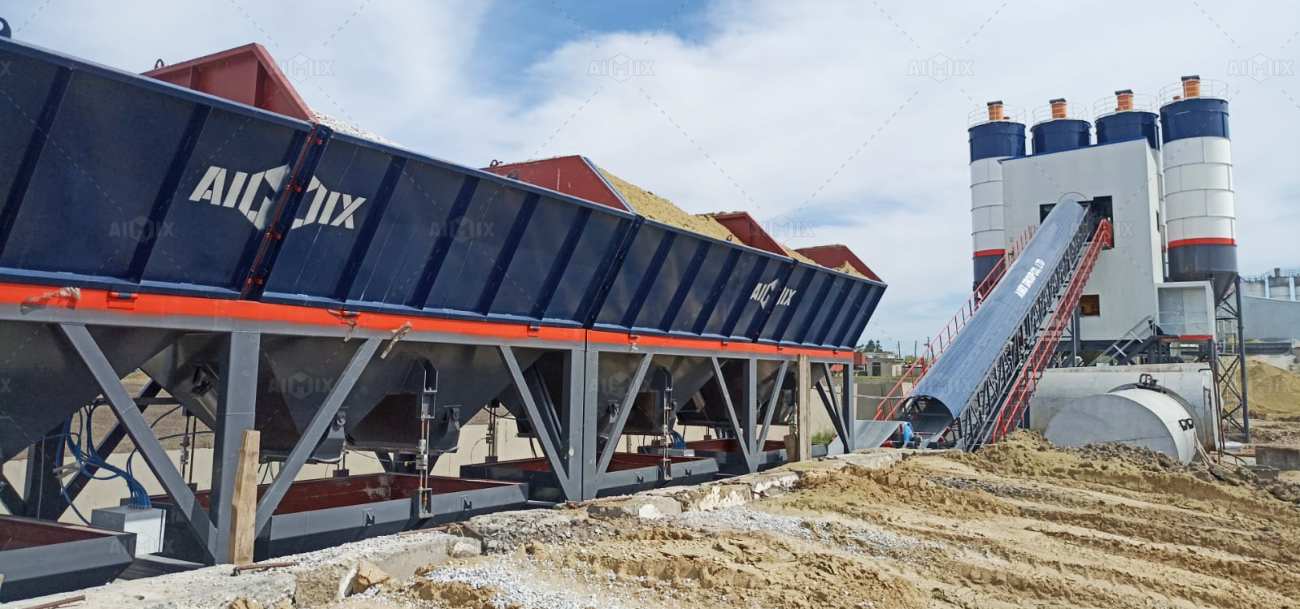
2. Foundation-Free Concrete Batching Plants for Faster Setup
A foundation-free concrete batching plant is designed to reduce or avoid conventional foundation construction, depending on the model and site requirements. Its modular structure can simplify installation and help contractors shorten site preparation time. Learn more about this foundation-free AJQ70 batching plant.
This option is useful when construction schedules are tight or permanent civil works are difficult to justify. Contractors should still confirm ground-bearing capacity, leveling requirements, anchoring provisions, and local regulations with the manufacturer and project engineer.
Best for: Projects requiring faster deployment, reduced foundation work, or a more flexible installation arrangement.
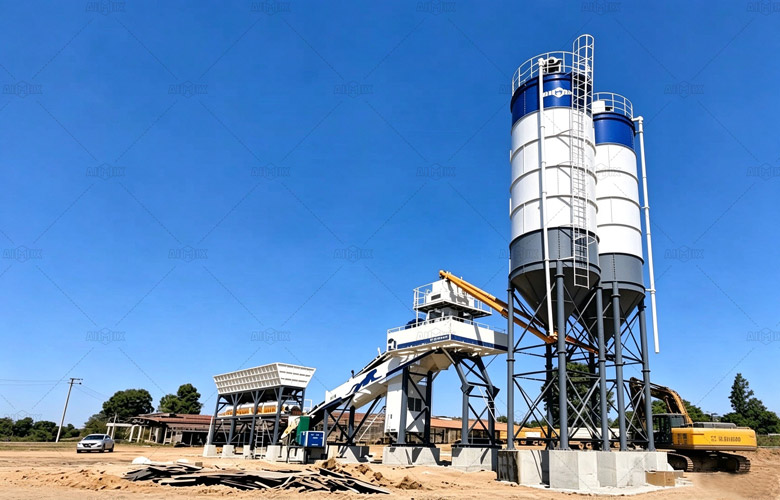
3. Mobile Concrete Batching Plants for Changing Job Sites
A mobile concrete batching plant is a practical choice for contractors working on road construction, rural infrastructure, or projects spread across multiple locations. Depending on its design, the equipment can be transported and reinstalled when the work moves to another site.
Mobility can reduce the need to establish a new fixed production facility for every project. However, transport dimensions, road access, setup procedures, and the time required for relocation should be included in the project plan.
Best for: Short-term projects, dispersed construction sites, and contractors who frequently move between jobs.
4. Ready-Mix Concrete Batching Plants for Commercial Supply
A ready-mix concrete batching plant is suitable for contractors or businesses that produce concrete for delivery to multiple construction sites. Production planning must account for customer demand, delivery distances, truck availability, traffic, and concrete setting time.
A central production facility can serve several projects when transport routes and delivery schedules are manageable. Before investing, contractors should assess local market demand, expected sales volume, operating costs, and competition.
Best for: Contractors expanding into commercial ready-mix concrete production and supplying multiple customers.
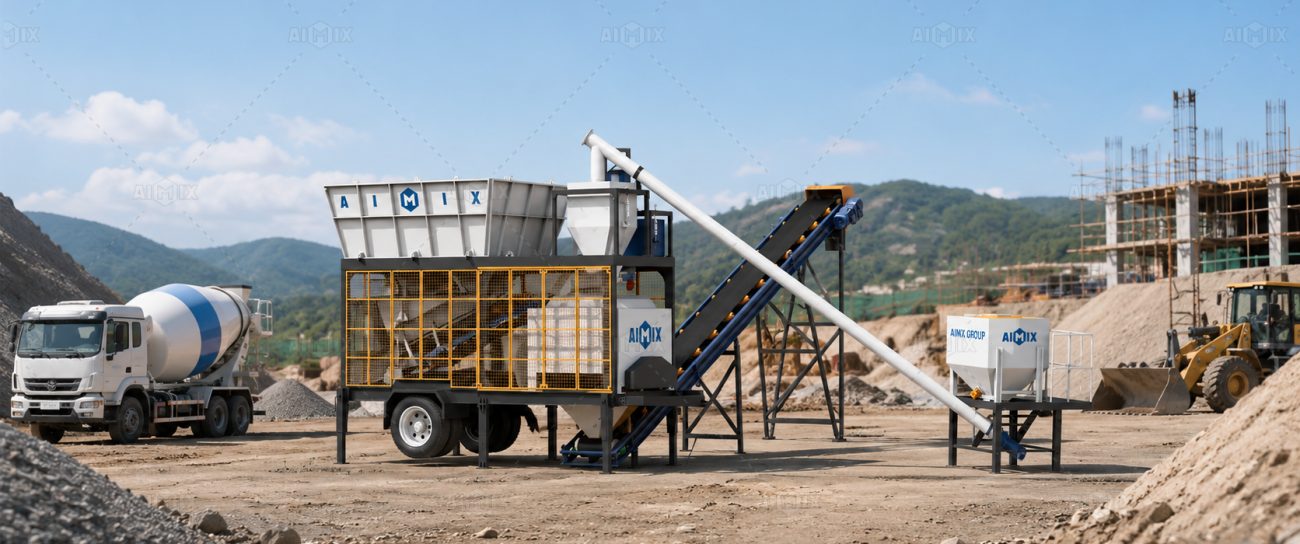
5. How to Choose the Right Concrete Plant for Your Contracting Business
Compare the following factors before requesting equipment quotations:
- Project duration: Long-term projects may justify a stationary plant, while short-term work may favor mobile or quick-install equipment.
- Required output: Estimate peak hourly demand and daily concrete consumption rather than selecting a plant by capacity alone.
- Site conditions: Check available space, ground conditions, access roads, power supply, water availability, and local installation requirements.
- Concrete supply model: Choose equipment for on-site consumption or commercial delivery based on your business plan.
- Total project cost: Include equipment, transport, installation, foundations, labor, maintenance, energy, and relocation where applicable.
Conclusion
Stationary plants suit stable, long-term production; foundation-free plants can simplify installation; mobile plants support changing job sites; and ready-mix plants serve commercial concrete supply. The right choice depends on your project schedule, production demand, site conditions, and investment plan. Compare these factors before selecting a configuration, and confirm the proposed capacity and installation requirements with the concrete batching plant supplier.