
Building modern urban residential estates requires a steady supply of high-strength concrete. However, standard ready-mix delivery trucks struggle to navigate tight municipal alleys. Consequently, progressive contractors increasingly deploy mobile batching and pumping equipment directly on site. This comprehensive technical guide outlines how to size and coordinate these machines.
Resolving Spatial Constraints in Dense Municipal Zones
Restricted urban areas require careful evaluation of machinery dimensions before starting construction. Operating oversized equipment in narrow streets causes severe safety hazards. Therefore, choosing agile, integrated systems remains the most practical strategy for builders. Let us examine the specific logistical challenges of tight urban environments.
Overcoming Distance Bottlenecks in Back-Alley Construction
Many housing developments feature narrow pathways where standard delivery trucks cannot drive. If you try to transport wet concrete manually, the mixture starts to set prematurely. This premature curing severely degrades the final structural strength of your concrete foundations.
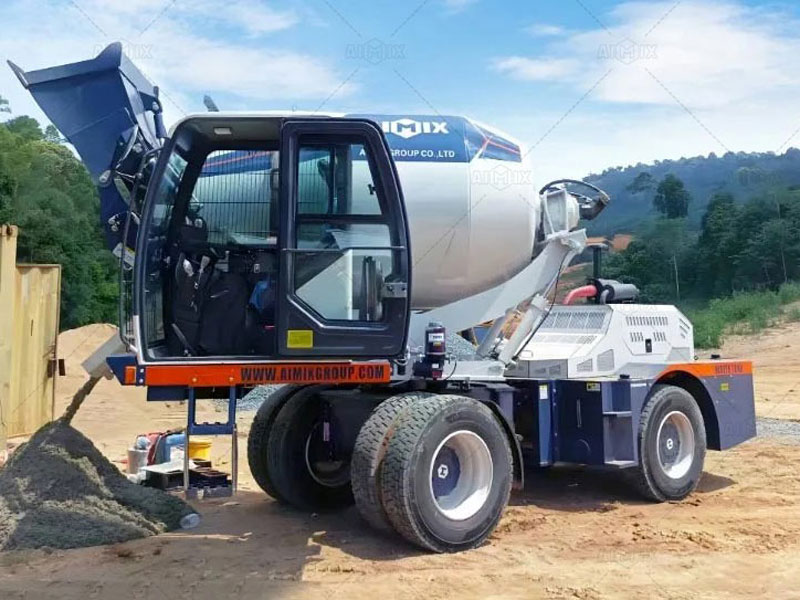
Using a versatile mobile concrete mixture setup resolves these distance bottlenecks on site. Your ground crew transports raw materials dry and blends them at the active pour site. Consequently, you achieve optimal concrete workability for every critical foundation section. This localized production guarantees excellent durability for your structures.
High-Performance Configurations of Mixing and Pumping Assets
Fleet managers must choose the right machinery configurations to match dynamic site layouts. Modern manufacturers offer several distinct designs to balance spatial limits and daily volumetric targets. Therefore, selecting highly automated and versatile units remains essential for your operations. Let us analyze the primary mobile configurations available today.
Sourcing a Versatile Self Loading Mixture Unit
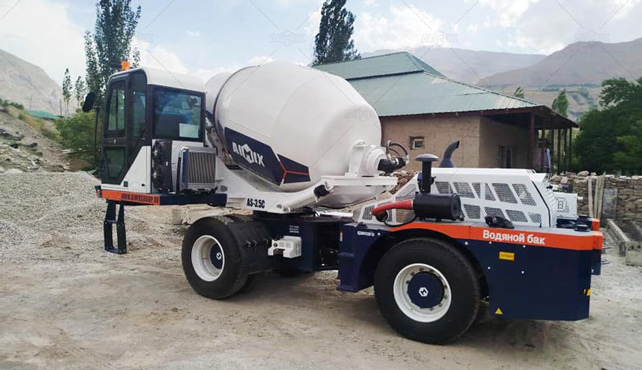
Traditional small mixing setups require separate loader tractors to feed raw materials. However, utilizing a modern self loading mixture vehicle eliminates these extra support machines. This specialized machine features an attached front shovel that scoops sand and gravel independently.
Furthermore, an onboard computerized scale measures each raw material with high gravimetric precision. The operator monitors these weight measurements on a digital screen inside the cabin. Consequently, you achieve complete compliance with strict civil engineering strength formulas. This self-contained layout reduces your daily crew payroll expenses significantly.
Pumping Concrete with a Heavy-Duty Concrete Mixing Pump
Once you mix the raw ingredients, you must transport the concrete to your forms. Standard wheelbarrows take too much time and increase physical labor costs on site. Therefore, integrating a high-pressure concrete mixing pump setup is highly effective.
This dual-function machine combines a powerful mixing drum with a heavy-duty hydraulic pump. The unit receives the wet batch and pushes it continuously through steel pipelines. Consequently, you can deliver fresh concrete to upper floors or deep basements easily. This steady flow prevents structural cold joints from forming in your foundations.
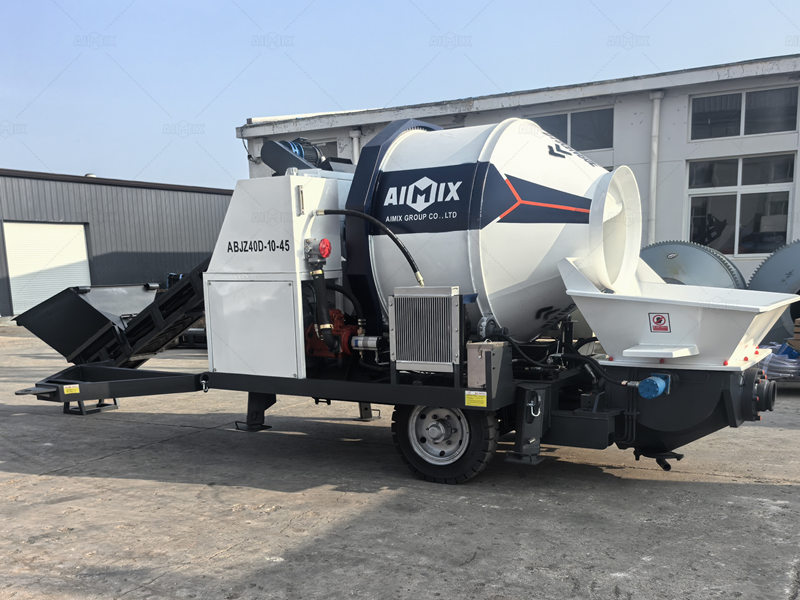
When searching for equipment, you will find diverse small concrete pumps for sale online. These compact trailer units fit easily into narrow lanes and consume less fuel. Additionally, flexible delivery hoses easily bypass physical obstacles on tight construction sites. Ultimately, matching the pump capacity to your mixer maximizes your fleet productivity.
Coordinating the Workflow of Your Integrated Fleet
Combining mixing and pumping machines requires careful coordination to prevent operational blockages. Any breakdown in this connection can halt your entire production schedule instantly. Therefore, establishing a continuous, balanced workflow remains vital for project success.
First, position your mixing unit directly adjacent to the pump hopper. This layout ensures a rapid, uninterrupted flow of material into the receiving chamber. Second, monitor the consistency of each concrete batch closely during the mix cycle.
For instance, dry mixtures can easily clog high-pressure steel pipelines. Conversely, overly wet mixtures degrade the final compressive strength of the concrete. Thus, maintaining precise water-to-cement ratios ensures smooth pumping and high-quality structures.
Crucial Preventative Maintenance Guidelines for Heavy Pumping Systems
Operating high-pressure hydraulic pumps in dusty environments puts intense physical stress on parts. Fine sand dust can contaminate engine lubricants and damage hydraulic seals. Therefore, your site crew must implement a strict daily preventative maintenance checklist. Consistent care protects your capital investment and prevents sudden mechanical failures.
First, wash the interior of the mixing vessel thoroughly with water after every shift. Leftover wet cement sets rapidly in warm weather and destroys internal blades. This solid buildup also reduces the overall volumetric capacity of the drum.
Second, flush the entire delivery pipeline with pressurized water immediately after pouring. Push rubber cleanout balls through the pipe joints to remove abrasive sand residue. Third, apply high-quality grease to the main rollers and pump valves daily. Spotting small hydraulic leaks early prevents expensive system failures during active pours.
Environmental and Financial Return on Investment
Purchasing modern mixing and pumping machinery represents a major capital investment for your company. Therefore, procurement officers must look beyond the initial purchase price to calculate long-term value. Let us analyze how on-site automation translates directly into concrete financial savings.
First, precise on-site batching ensures you only produce the exact concrete volume required. Thus, you eliminate aggregate waste and reduce landfill disposal fees significantly. Second, a consolidated layout replaces separate transport trucks and loader tractors.
Consequently, your projects consume less diesel fuel and emit fewer greenhouse gases. These sustainable practices help your business secure green municipal building contracts. Most active contractors experience full asset amortization within twelve months of field deployment. Ultimately, a strategic asset purchase secures your project timeline and enhances corporate profits.
Conclusion and Procurement Recommendations
In summary, localized concrete mixing and pumping systems solve transit bottlenecks and optimize site resources. Sourcing a durable mobile unit ensures consistent concrete strength for housing and road works. Define your daily volume targets clearly before selecting a final equipment configuration.
Always partner with reliable regional equipment dealers who offer robust local parts support. Having replacement components nearby prevents weeks of costly shipping delays. Ultimately, a strategic asset purchase secures your project timeline and enhances long-term profitability.