
Starting an asphalt supply company can be a profitable opportunity as infrastructure development, highway construction, urban expansion, and road maintenance projects continue to increase worldwide. However, before entering this market, investors and contractors usually have one critical question: how much investment is required to produce 500 tons of asphalt per day?
The answer depends on multiple factors, including asphalt plant selection, production capacity, raw material supply, land conditions, transportation distance, labor costs, fuel consumption, and local market demand. A successful asphalt supply business requires more than purchasing an asphalt mixing plant. It requires a complete production system that can provide stable quality, reliable delivery, and continuous supply for construction customers.
For many medium-sized asphalt suppliers, producing 500 tons of asphalt per day usually requires an asphalt plant with approximately 60-80 tons per hour capacity. The exact requirement depends on daily working hours and project schedules. Therefore, investors need to evaluate their business model carefully before making a final investment decision.
This guide explains the major investment factors, equipment options, operation considerations, and business planning steps. It helps potential investors understand the real requirements of building a 500 tons per day asphalt supply company.
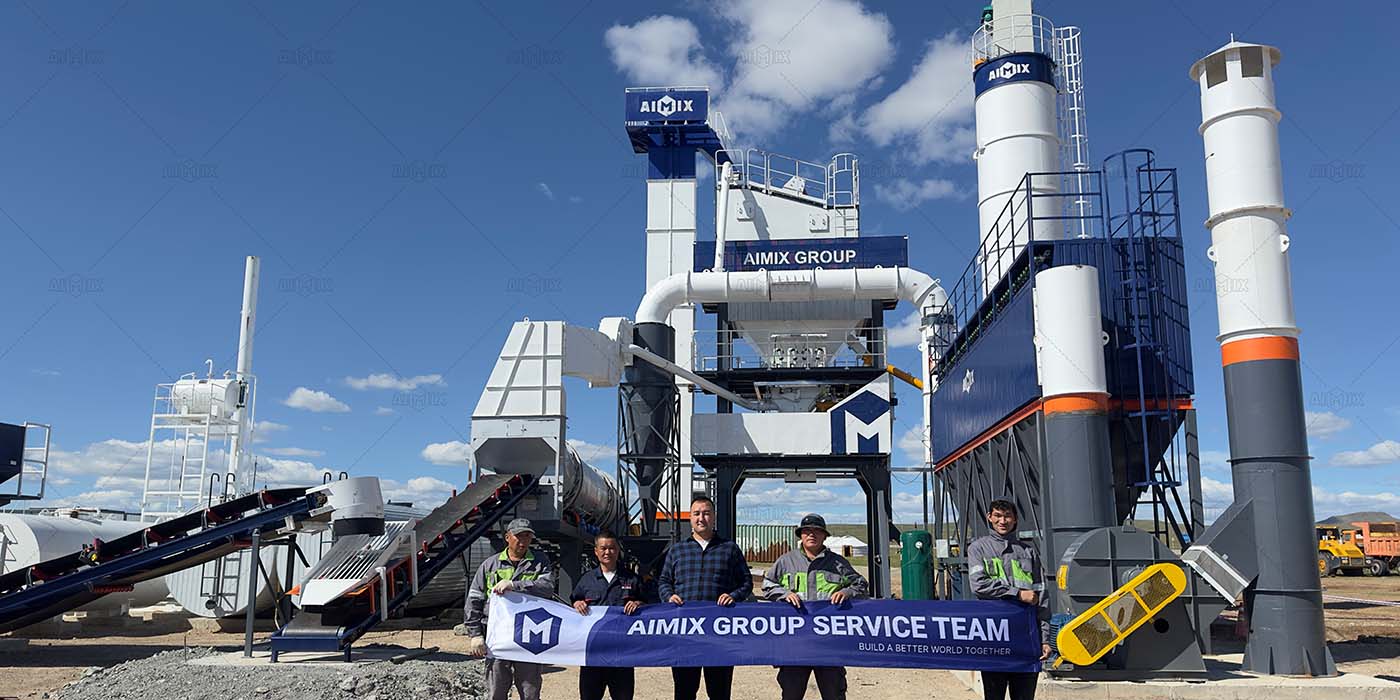
Understanding The Production Requirements For A 500 Tons Per Day Asphalt Business
Before calculating the investment, investors should first understand the relationship between daily output and asphalt plant capacity. Production targets directly influence equipment selection, operating costs, and future expansion possibilities.
For example, a company planning to produce 500 tons of asphalt within an 8-hour working day needs an asphalt plant capable of producing around 62.5 tons per hour. Therefore, a 60-80 TPH asphalt plant is usually a suitable choice for this production goal.
However, daily output is not the only consideration. Asphalt suppliers also need to consider peak construction seasons, customer demand fluctuations, and possible future growth. A plant that matches current demand but has no expansion flexibility may limit business development later.
Therefore, choosing the right production capacity is the first important step when planning an asphalt manufacturing business. Investors who want to understand the complete process can refer to this guide on how to start an asphalt manufacturing company, which explains key preparation steps from market analysis to equipment selection.
Recommended Asphalt Plant Capacity For 500 Tons Daily Production
| Daily Asphalt Demand | Recommended Plant Capacity | Typical Application |
|---|---|---|
| 300-400 tons/day | 40-50 TPH asphalt plant | Small municipal roads and maintenance projects |
| 500 tons/day | 60-80 TPH asphalt plant | Regional asphalt supply and medium road projects |
| 800-1000 tons/day | 100-120 TPH asphalt plant | Large highways and commercial asphalt production |
As a result, investors should not select equipment only according to the purchase price. The correct plant capacity can improve production efficiency, reduce downtime, and help maintain stable supply for customers.
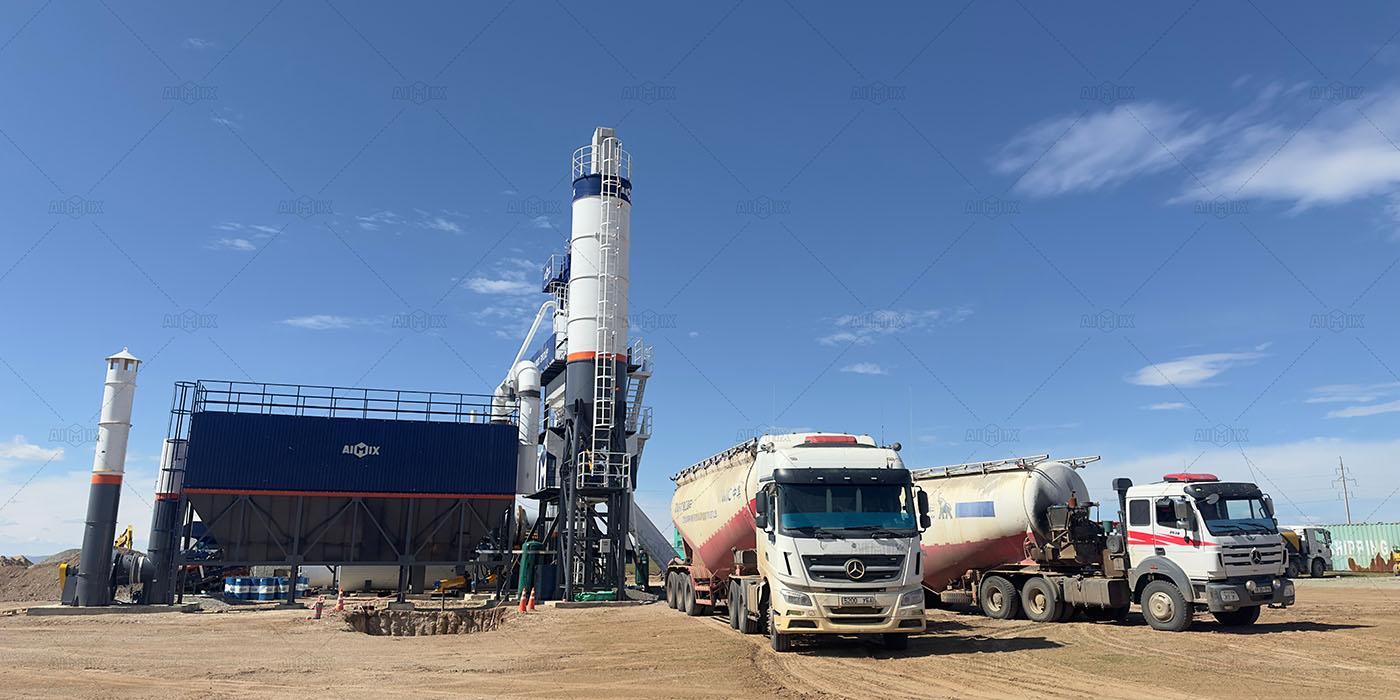
Main Investment Costs When Starting An Asphalt Supply Company
After determining the required production capacity, the next step is evaluating the complete investment structure. Many new investors focus only on the asphalt plant cost, but a professional asphalt supply business involves several additional expenses.
In general, the investment for a 500 tons per day asphalt supply company can range from several hundred thousand dollars to more than one million dollars. The final budget depends on equipment configuration, automation level, site conditions, storage requirements, and business scale.
A realistic investment plan should include equipment purchase, installation, infrastructure preparation, operating capital, and future maintenance requirements.
1. Asphalt Mixing Plant Investment
The asphalt mixing plant represents the largest equipment investment in the entire business. For a 500 tons per day production target, many suppliers choose medium-capacity plants because they provide a good balance between production efficiency and investment requirements.
A batch-type system is commonly selected when customers require consistent asphalt quality and different mixture designs. This is especially important for suppliers serving highways, airports, municipal roads, and commercial construction projects.
Compared with simple production equipment, a professional asphalt batch mix plant provides accurate weighing, better mixing control, and stable performance for long-term operation.
The actual investment depends on the configuration. Basic models require a smaller budget, while advanced systems with automatic control, environmental protection equipment, larger storage systems, and higher automation require additional investment.
2. Site Preparation And Infrastructure Costs
The location of the asphalt plant directly influences the total investment. A suitable site should provide enough space for production equipment, aggregate storage, truck movement, maintenance areas, and future expansion.
A typical asphalt supply facility requires preparation for:
- Asphalt production area
- Aggregate storage yards
- Bitumen storage tanks
- Finished asphalt loading area
- Office and maintenance facilities
- Internal transportation routes
If the selected site already has electricity access, good transportation connections, and proper drainage, preparation costs can be reduced significantly. However, remote locations may require additional investment in power systems, access roads, and foundation construction.
3. Raw Material Storage And Supply System
A stable raw material supply chain is essential for maintaining daily asphalt production. Asphalt manufacturing mainly requires aggregates, mineral filler, and bitumen. Therefore, investors need to evaluate material availability before establishing the plant.
For a 500 tons per day asphalt business, sufficient aggregate storage capacity helps prevent production interruptions. Even a high-performance asphalt plant cannot operate efficiently without reliable raw material supply.
For this reason, experienced contractors usually select plant locations close to quarry resources or major construction markets. This strategy reduces transportation costs and improves delivery speed.
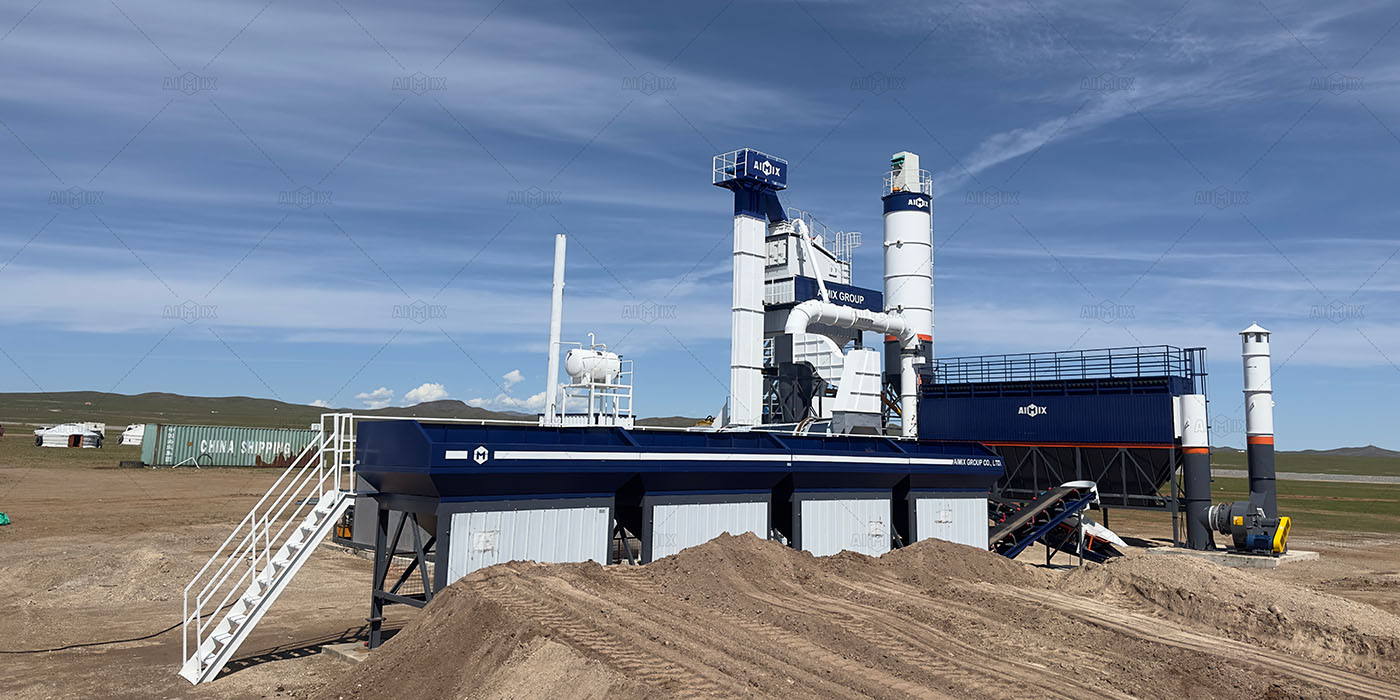
Estimated Investment Structure For A 500 Tons Per Day Asphalt Supply Business
Although every project has different conditions, understanding the general investment structure helps investors prepare a more accurate business plan.
| Investment Item | Main Purpose | Impact On Budget |
|---|---|---|
| Asphalt Mixing Plant | Main asphalt production equipment | Highest investment category |
| Land And Site Preparation | Installation and operation space | Depends on local conditions |
| Storage Facilities | Aggregate, bitumen, and finished material storage | Medium investment |
| Transportation Equipment | Asphalt delivery to customers | Depends on service area |
| Working Capital | Fuel, labor, maintenance, and materials | Required for daily operation |
In addition, investors should prepare sufficient working capital after installation. Many new asphalt suppliers underestimate daily operating expenses because they only calculate equipment purchase costs.
Fuel consumption, electricity usage, spare parts, employee salaries, and material purchasing cycles all influence cash flow. Therefore, a complete financial plan is necessary before starting production.
Choosing The Right Asphalt Plant Type For Your Business Model
After understanding the investment structure, investors need to decide which asphalt plant type matches their business goals. The right equipment choice depends on customer type, project location, production requirements, and expected business growth.
For example, an asphalt supplier serving multiple contractors in a fixed region usually needs a stable production base with high-quality output. On the other hand, contractors working on different projects may need more flexibility and mobility.
Therefore, equipment selection should be based on long-term business planning rather than only the initial purchase cost.
Stationary Asphalt Plant For Long-Term Asphalt Supply
A stationary asphalt plant is commonly used by companies that want to establish a long-term asphalt supply business. It provides stable production, accurate mixing, and reliable performance for continuous operation.
This type of solution is suitable for areas with strong infrastructure development, such as highway construction zones, urban expansion areas, industrial parks, and regions with regular road maintenance demand.
A stationary plant allows investors to build a professional asphalt production center. It can support multiple customers at the same time and provide consistent asphalt quality throughout the year.
For companies planning to establish a regional asphalt supply network, selecting a suitable local asphalt plant solution can help improve transportation efficiency and customer service capability.
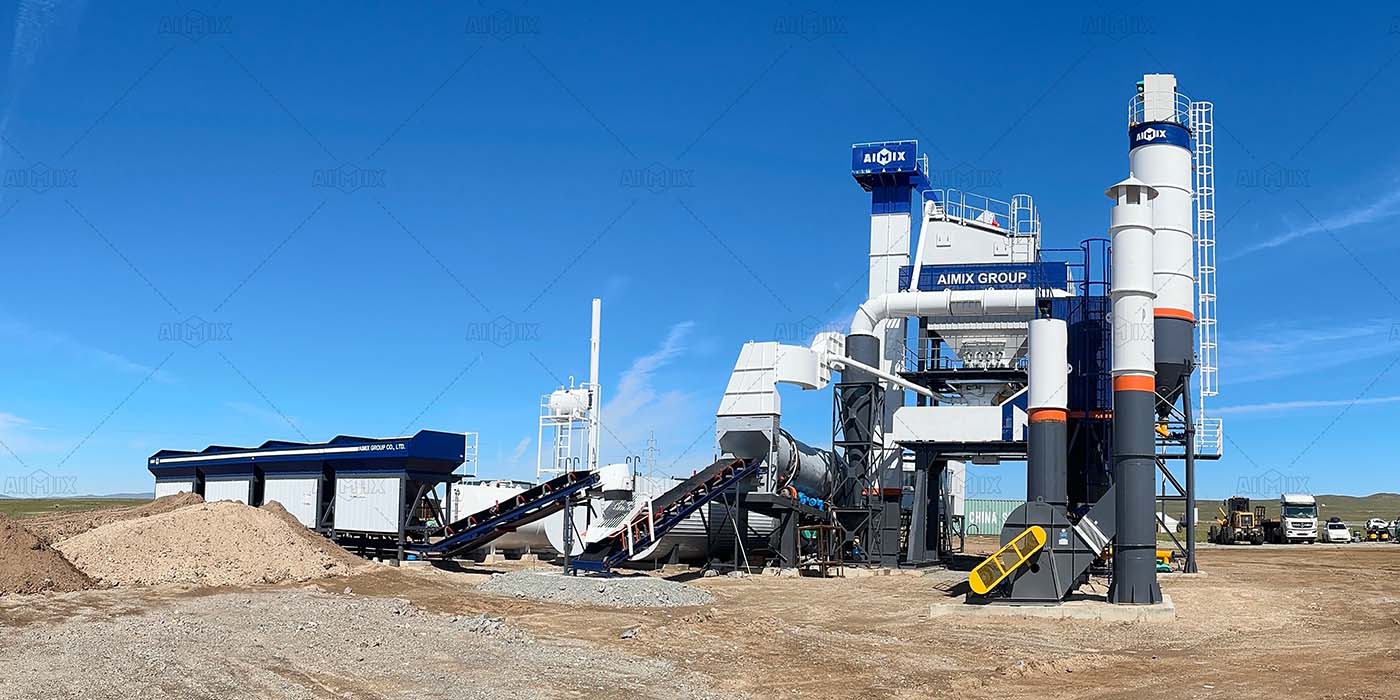
Mobile Asphalt Plant For Flexible Construction Projects
Although stationary plants are suitable for fixed supply businesses, some investors require more flexibility. This is especially true for highway projects, remote construction areas, and contractors who frequently move between different locations.
A mobile asphalt plant can reduce relocation difficulties because the equipment is designed for easier transportation and installation. It allows companies to follow project locations and reduce the distance between production and paving sites.
However, investors should consider production stability, transportation requirements, and future project plans before choosing this option. A mobile solution is not always the best choice for every asphalt supply company.
For businesses that need flexible production solutions, a mobile asphalt mixing plant can provide better adaptability for changing construction environments.
Key Factors That Affect The Profitability Of An Asphalt Supply Company
Investment size is only one part of building a successful asphalt business. Long-term profitability depends on market demand, production efficiency, customer relationships, and cost management.
A company can own advanced equipment, but without stable customers and efficient operation, achieving a good return on investment can become difficult. Therefore, investors should evaluate both technical and business factors before entering the market.
Stable Customer Demand And Market Research
Before purchasing equipment, investors should analyze local construction demand. Understanding future road projects, government infrastructure plans, private construction activities, and competitor conditions can reduce business risks.
A 500 tons per day asphalt supply company needs regular orders to maintain equipment utilization. Therefore, developing relationships with contractors, road builders, and project owners is an important part of business preparation.
For example, regions with highway expansion, airport development, industrial parks, and urban road upgrades usually create stronger demand for asphalt materials.
Production Efficiency And Operating Cost Control
Daily production costs directly affect business profitability. The main operating expenses usually include fuel, electricity, raw materials, labor, maintenance, and transportation.
Modern asphalt plants with intelligent control systems can help operators monitor production data, improve material accuracy, and reduce unnecessary waste.
Furthermore, choosing reliable equipment with available spare parts and technical support can reduce unexpected shutdowns. Production interruptions during major construction projects may lead to customer losses and additional costs.
Transportation Distance And Delivery Management
Asphalt is a temperature-sensitive material. Therefore, delivery distance has a direct influence on product quality and customer satisfaction.
A strategically located asphalt plant can serve more customers while reducing transportation costs. This advantage becomes increasingly important when competing for regional construction projects.
For a 500 tons per day production target, efficient logistics planning is just as important as selecting the correct asphalt plant.
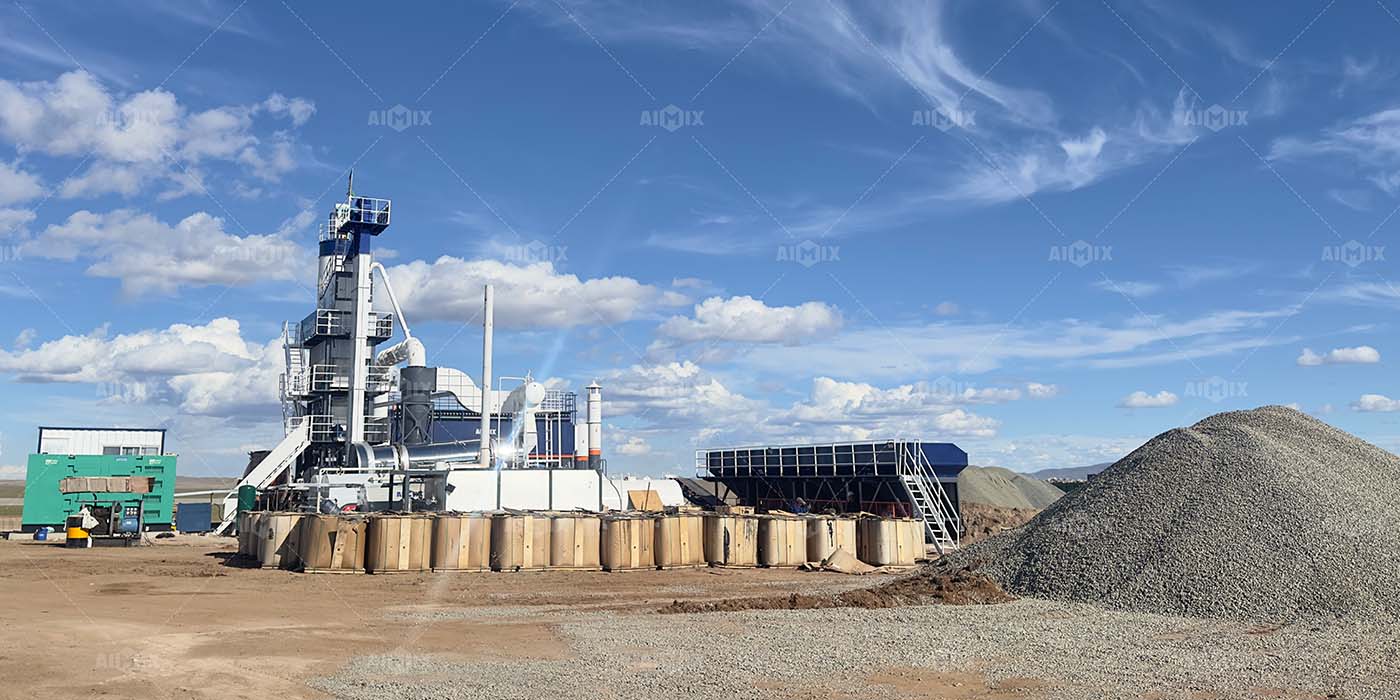
How To Calculate The Return On Investment For An Asphalt Business
After estimating the initial investment, investors should evaluate potential returns before starting operations. A practical return analysis should consider production volume, selling price, operating costs, and equipment utilization rate.
For example, a company producing 500 tons per day needs to estimate how many operating days are available each year. Seasonal construction changes, weather conditions, and local project schedules may influence actual production.
Therefore, a realistic business model should include conservative calculations instead of assuming maximum production every day.
Important Factors For Profit Calculation
- Average asphalt selling price in the local market
- Daily production volume
- Raw material costs
- Fuel and electricity consumption
- Transportation expenses
- Labor and maintenance costs
- Annual operating days
By analyzing these factors, investors can better understand the expected payback period and determine whether the project matches their financial goals.
Step-By-Step Guide To Start A 500 Tons Per Day Asphalt Supply Business
Starting an asphalt supply company requires careful preparation. Successful investors usually follow a structured process to reduce risks and improve operational efficiency.
Step 1: Study The Local Asphalt Market
The first step is understanding customer demand. Analyze existing asphalt suppliers, upcoming infrastructure projects, road construction plans, and market competition.
This research helps determine whether a 500 tons per day production capacity is suitable for the target area.
Step 2: Select The Correct Production Solution
After confirming market demand, choose the appropriate asphalt plant configuration. Consider production capacity, automation level, fuel type, environmental requirements, and future expansion plans.
The selected equipment should support current business needs while allowing room for growth.
Step 3: Prepare The Production Site
A professional asphalt production site requires proper planning. Investors should prepare equipment foundations, storage areas, electrical systems, drainage systems, and transportation routes.
Good site preparation improves installation efficiency and reduces future operating problems.
Step 4: Build Raw Material And Customer Supply Networks
A successful asphalt company needs both reliable suppliers and stable customers. Establishing partnerships with aggregate suppliers and construction companies creates a stronger business foundation.
At the same time, maintaining consistent product quality helps build long-term customer relationships.
Step 5: Focus On Continuous Operation Improvement
After production starts, companies should continue improving efficiency. Regular maintenance, operator training, production monitoring, and customer feedback help increase business competitiveness.
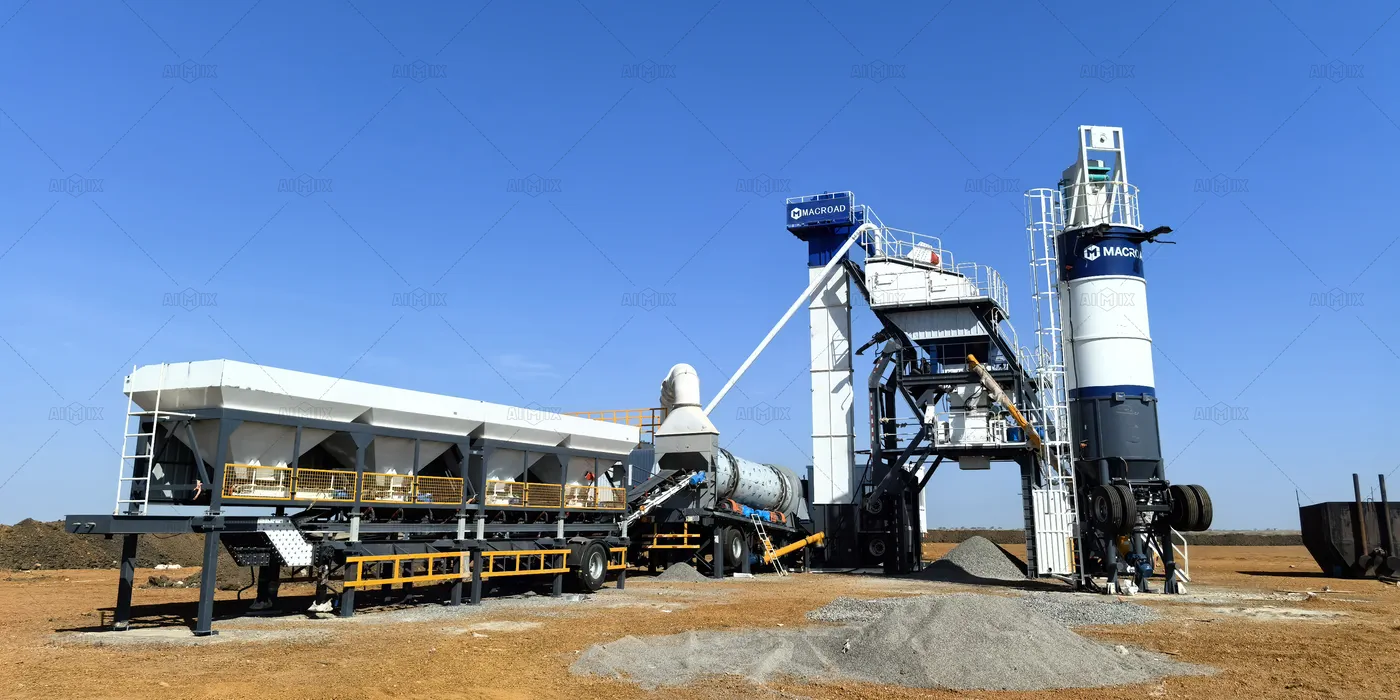
Common Mistakes Investors Should Avoid When Starting An Asphalt Company
Although asphalt supply can provide strong business opportunities, some investment mistakes may affect profitability. Understanding these challenges before investment can help investors make better decisions.
Choosing Equipment Only Based On Initial Price
The cheapest equipment is not always the best investment. Lower-quality equipment may create higher maintenance costs, unstable production, and longer downtime.
Investors should evaluate equipment quality, technical support, spare parts availability, and long-term operating costs.
Ignoring Local Construction Demand
A high-capacity asphalt plant requires sufficient market demand. Installing a 500 tons per day system in an area with limited projects may result in low equipment utilization.
Therefore, market research should always come before equipment purchasing.
Underestimating Operating Costs
Many new investors calculate only the equipment investment but ignore daily expenses. Fuel, maintenance, labor, and transportation costs directly influence profitability.
A complete financial plan should include both initial investment and long-term operation costs.
Start Your 500 Tons Per Day Asphalt Supply Business With The Right Solution
Starting an asphalt supply company producing 500 tons per day requires careful planning, suitable equipment selection, and a clear understanding of market demand. The investment is not limited to purchasing an asphalt plant. It includes site preparation, material supply, transportation, operation management, and customer development.
With the right business strategy and a properly configured asphalt production system, investors can build a reliable supply business for highways, municipal roads, industrial projects, and infrastructure development.
If you are planning to enter the asphalt production industry, select a professional team can help you evaluate your production requirements, recommend suitable equipment, and create a practical solution based on your local market conditions.