
For project planners managing municipal roads construction in 2026, the integration of specialized asphalt debarrel equipment into modern asphalt batch mixing plant designs by leading asphalt mixing plant manufacturers addresses a procurement challenge that urban project environments impose with particular severity — bulk liquid bitumen delivery restricted by traffic management constraints, bridge load limitations, and access route infrastructure that tanker vehicles cannot navigate to inner-city construction sites without regulatory intervention that delays supply and elevates procurement cost.
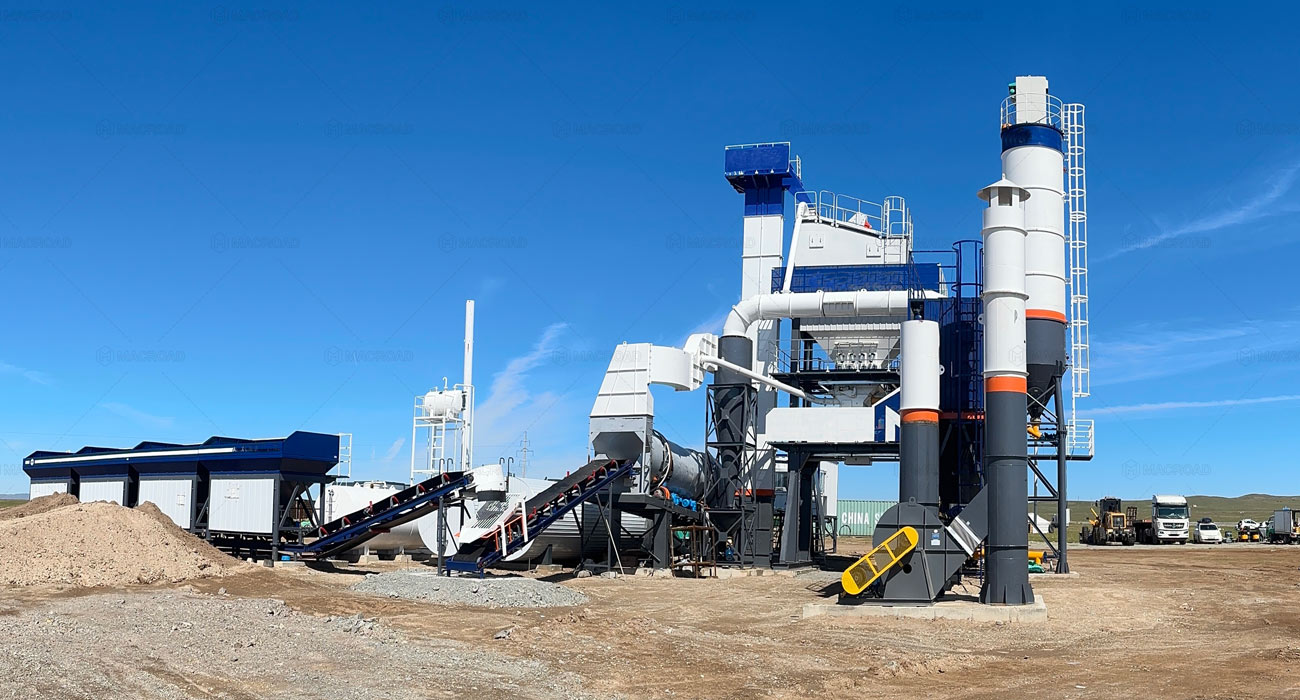
Debarrel Equipment Integration and Bitumen Procurement Cost Reduction
The bitumen procurement cost reduction that integrated asphalt debarrel equipment provides for municipal roads construction operations originates from supply chain flexibility — contractors accessing barreled bitumen through standard commercial delivery networks rather than specialized tanker logistics that urban access restrictions make expensive and schedule-dependent. Barreled bitumen reaches inner-city project sites through standard delivery vehicles compatible with urban traffic management frameworks, eliminating the tanker permit requirements, time-window restrictions, and escort arrangements that bulk liquid delivery imposes on contractors whose project locations fall within restricted access zones.
Leading asphalt mixing plant manufacturers integrate debarrel heating systems as modular additions to asphalt batch mixing plant configurations — electric or thermal oil heated debarrel chambers that liquefy solid or semi-solid barreled bitumen into the fluid state that bitumen circuit injection requires, feeding processed binder directly into the plant’s existing storage and metering infrastructure without separate handling equipment that site footprint constraints on urban municipal roads construction projects cannot accommodate. This modular integration preserves the compact plant footprint that urban site boundaries impose while adding procurement flexibility that bulk-only bitumen systems cannot provide.
The cost comparison between barreled and bulk bitumen procurement varies by market and project volume, but the procurement flexibility value of debarrel capability extends beyond unit price differential into supply continuity assurance — contractors with barreled bitumen processing capability maintain production through the bulk supply interruptions that urban delivery restriction events generate, avoiding the production halt costs that single-source bulk dependency creates when tanker access is suspended during peak urban traffic management periods.
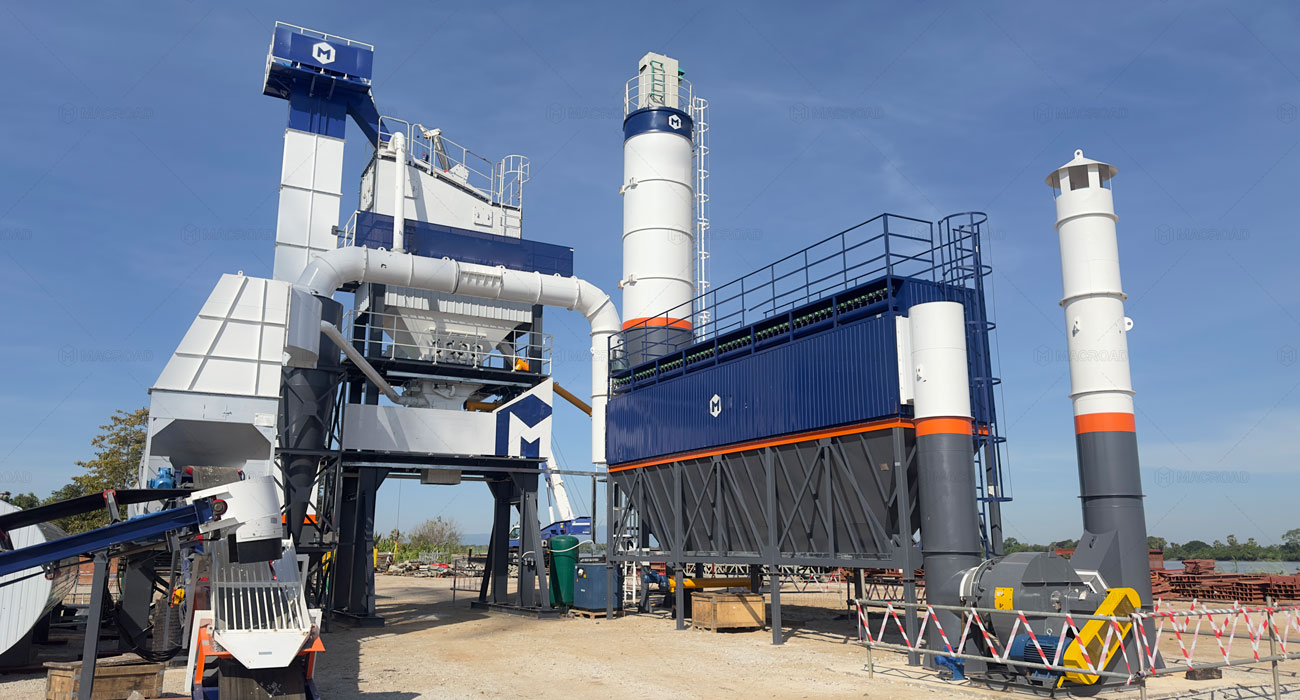
Automated Heating Systems and Continuous Mix Supply Assurance
The automated heating system specification that leading asphalt mixing plant manufacturers integrate into asphalt debarrel equipment modules determines whether barreled bitumen processing maintains the continuous binder supply that asphalt batch mixing plant production rates demand — or introduces the supply interruption that insufficient heating capacity or manual process management generates when debarrel throughput falls below batch plant binder consumption rate during sustained production periods.
Thermal oil heating systems with PLC-controlled temperature management maintain debarrel chamber conditions within the range that efficient bitumen liquefaction requires without the overheating that degrades binder performance characteristics — a quality protection consideration particularly relevant for polymer-modified bitumen grades whose modification chemistry is sensitive to temperature exceedance that uncontrolled heating systems generate during unattended operation. Automated temperature regulation that adjusts heating element output against chamber temperature feedback prevents both liquefaction insufficiency that restricts binder flow and thermal excess that compromises the modified binder specifications that municipal roads construction surface layer performance requires.
Debarrel throughput capacity matching to asphalt batch mixing plant binder consumption rate is the system integration parameter that project planners should verify during equipment specification — confirming that the debarrel module processes sufficient barreled bitumen volume per hour to supply the plant’s peak production rate without creating the binder inventory deficit that production rate reduction or halt events generate when debarrel capacity is undersized relative to batch plant demand.
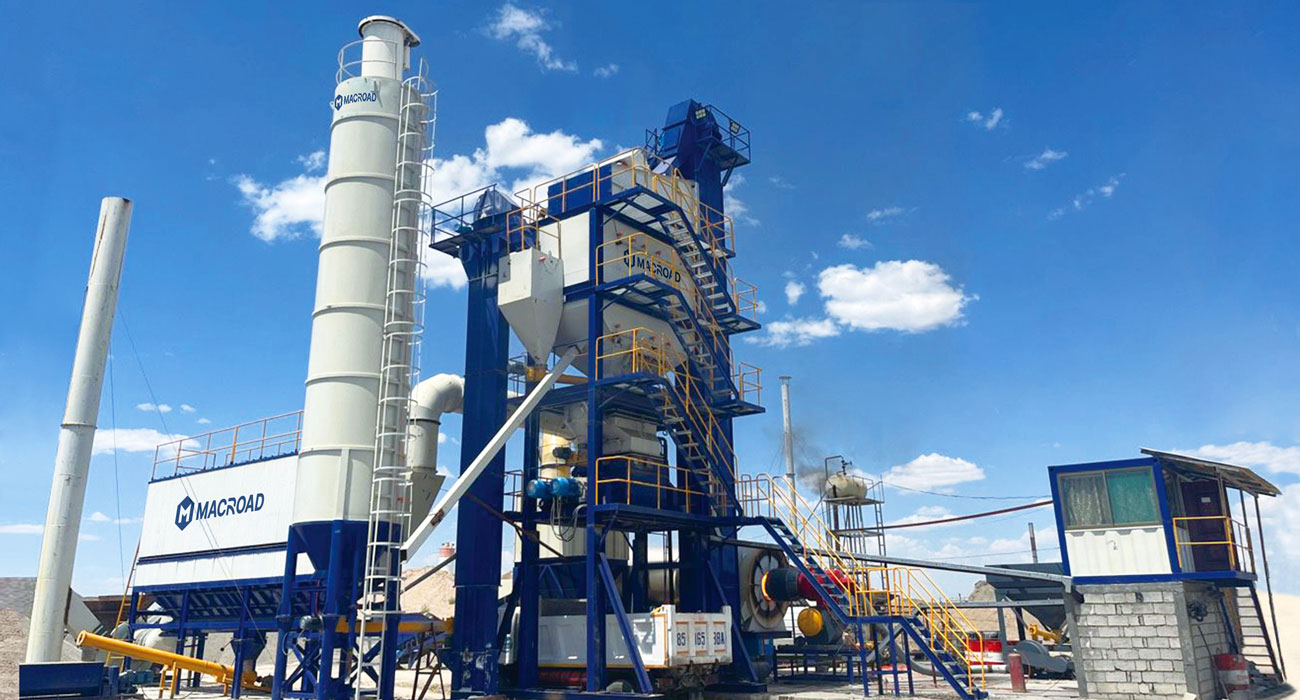
Municipal Roads Construction Applications and Urban Deployment Advantages
The urban deployment advantages that integrated asphalt debarrel equipment provides for municipal roads construction compound across the specific logistical constraints that city center project environments impose beyond simple delivery access restriction. Storage footprint reduction — barreled bitumen occupying substantially less site area than equivalent volume bulk storage tank installations that permanent infrastructure requires — enables asphalt batch mixing plant deployment on the constrained urban sites where municipal roads construction contracts most frequently operate, preserving the production proximity to paving operations that mix temperature compliance and haul cost economics require.
Leading asphalt mixing plant manufacturers who design debarrel modules with standard container-compatible dimensions enable barreled bitumen inventory to be stored and transported within the same logistics infrastructure that plant module transport uses — simplifying the overall project supply chain to standard commercial freight networks that urban delivery frameworks accommodate without the specialized vehicle requirements that bulk bitumen logistics impose. This supply chain simplification reduces the coordination overhead that project planners managing multiple simultaneous municipal roads construction sites across an urban area absorb when bulk delivery scheduling conflicts between sites create supply priority decisions that barreled supply independence eliminates.
Conclusion
Leading asphalt mixing plant manufacturers who integrate asphalt debarrel equipment as modular additions to asphalt batch mixing plant configurations provide municipal roads construction contractors with bitumen procurement flexibility that bulk-only supply systems cannot deliver in urban access-restricted environments. Automated heating systems ensure continuous binder supply at production-matched throughput rates, while urban deployment advantages in storage footprint and logistics simplification compound the procurement cost benefits that barreled bitumen access provides. For project planners in 2026, debarrel integration capability is the procurement architecture feature that converts urban access restriction from a supply chain vulnerability into a managed logistical advantage.