
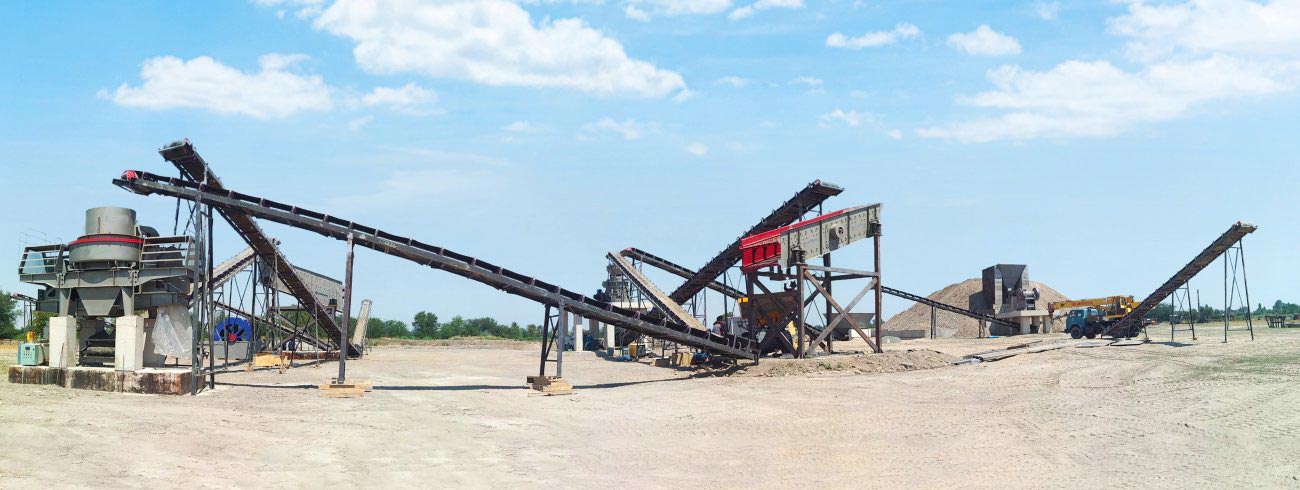
Natural river sand has traditionally been an important raw material for concrete, mortar, road construction, and other infrastructure projects. However, growing construction demand and restrictions on river sand extraction have made reliable alternative sources increasingly important. Manufactured sand, produced by crushing and processing suitable rocks, offers a practical way to supplement natural sand supplies. With a properly configured sand making machine from stone, quarry operators can turn available rock resources into construction-grade fine aggregates. This approach not only diversifies aggregate supply but also helps reduce pressure on river ecosystems and supports more sustainable construction material production.
1. Why Construction Needs Alternatives to Natural River Sand
Natural river sand is formed through long-term weathering, erosion, and transportation of rock particles by water. Its rounded grains and relatively smooth surfaces make it suitable for many concrete and mortar applications. However, natural deposits are not evenly distributed, and commercially available resources may become limited as construction activity expands.
Excessive or poorly managed river sand extraction can disturb riverbeds, accelerate bank erosion, affect aquatic habitats, and change sediment movement. In many regions, environmental regulations and resource-management policies have therefore placed tighter controls on extraction. At the same time, transporting river sand over long distances can increase material costs and create supply uncertainty.
Manufactured sand provides another source of fine aggregate. Instead of relying entirely on naturally deposited sand, producers can process granite, basalt, limestone, and other suitable rocks available from local quarries. This makes aggregate supply less dependent on the availability of river deposits.
2. How Stone Crushing Produces Manufactured Sand
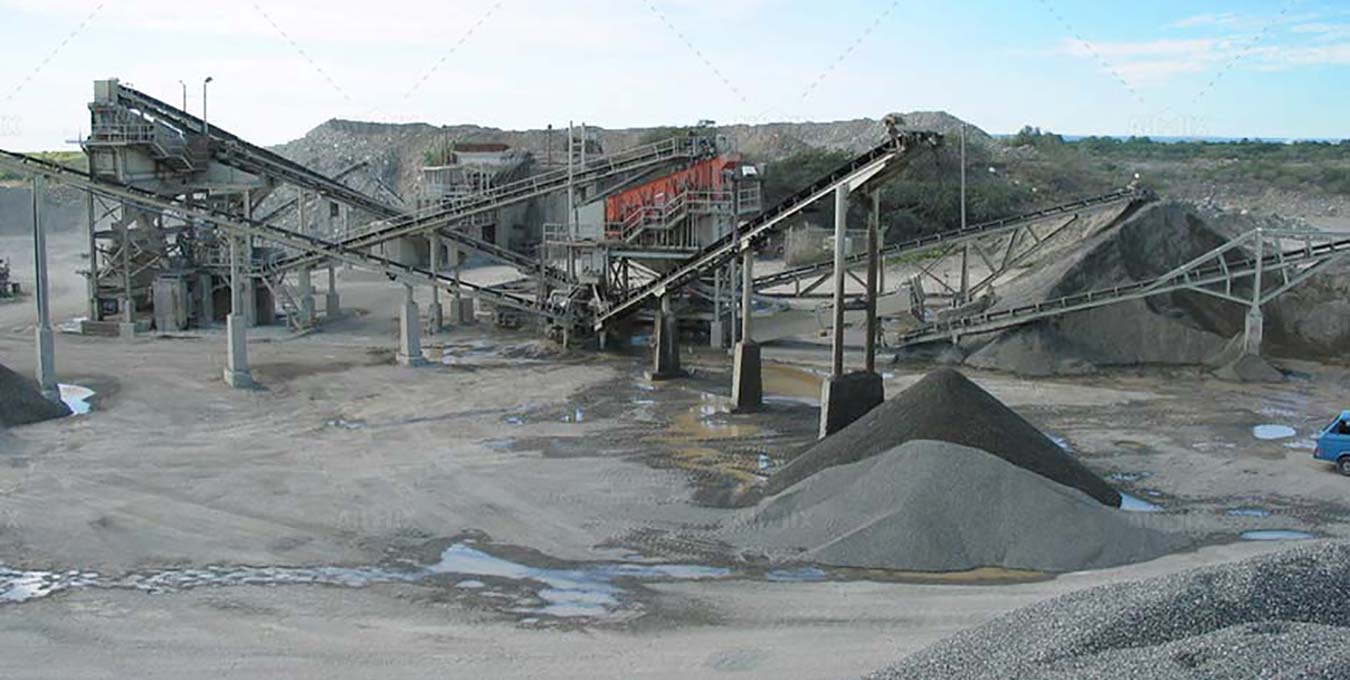
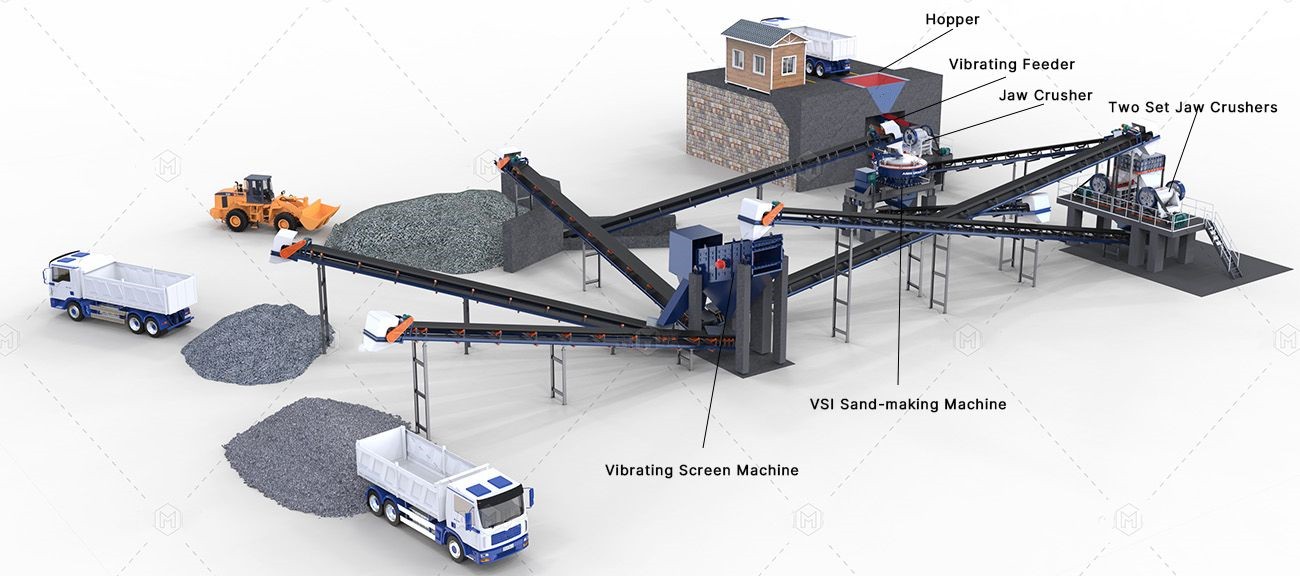
Manufactured sand is generally produced by crushing larger rocks into smaller particles and controlling their size distribution through screening and classification. A typical production process includes primary crushing, secondary crushing, shaping, screening, and, where necessary, washing or fine-powder separation.
A stone aggregate crusher, such as a jaw crusher, is commonly used in the primary stage to reduce large feed materials into manageable sizes. Cone crushers or impact crushers can perform further size reduction, depending on the rock properties and required production process. A vertical shaft impact (VSI) crusher is often used for shaping particles and producing finer aggregates with a more controlled particle shape.
After crushing, vibrating screens separate the material into different size fractions. Oversized particles can return to the crusher for additional processing, while fine particles are collected as manufactured sand. Washing equipment or air classification may also be incorporated to control excessive dust and fine powder when required by the product specification.
3. Manufactured Sand Quality Depends on Raw Materials and Processing
Not every crushed rock automatically produces suitable manufactured sand. The properties of the source material and the design of the processing line both influence final product quality. Rock hardness, abrasiveness, mineral composition, and weathering conditions affect crushing performance, equipment wear, and the characteristics of the resulting particles.
Particle shape and grading are particularly important. Excessively flaky or elongated particles can affect aggregate packing, while an unsuitable proportion of fine particles may increase water demand in concrete mixtures. A well-designed crushing and screening process helps produce a more consistent particle-size distribution and improves control over the final sand product.
Producers should also monitor the content of very fine particles, clay, and other impurities. Depending on local standards and the intended application, washing or classification may be necessary. Regular sampling and laboratory testing help verify that manufactured sand meets the relevant requirements for concrete, mortar, asphalt, or other construction uses.
4. Where Manufactured Sand Can Replace or Supplement River Sand
Manufactured sand can be used in several construction applications, although the appropriate replacement ratio depends on material quality, mix design, and project specifications. In concrete production, it can serve as fine aggregate when its grading, particle shape, and cleanliness are properly controlled. Mix proportions may need adjustment to account for differences between manufactured and natural sand.
For mortar and masonry applications, consistent grading helps improve workability and material uniformity. Manufactured sand can also be used in asphalt mixtures and certain road construction materials where the aggregate properties meet the required specifications. In these applications, the producer must consider particle strength, grading, and compatibility with the binder or other mixture components.
Rather than treating manufactured sand as a universal substitute, construction companies should evaluate it according to the intended application. Combining manufactured sand with natural sand may also be appropriate where local standards and mix designs allow it.
5. Investment Considerations for a Manufactured Sand Production Line
For quarry operators and aggregate businesses, manufactured sand production can create additional value from existing rock resources. However, understanding how to invest in a sand making production line requires more than comparing equipment purchase prices. Investors should first assess local demand, available raw materials, required output capacity, product specifications, and competition from natural and manufactured sand suppliers.
The equipment configuration should match the properties of the feed material and the intended products. A hard-rock operation may require a different crushing arrangement from a limestone quarry. Investors should also consider screening capacity, conveying systems, dust control, water management, power consumption, wear-part costs, and space for stockpiling finished products.
Production economics should be evaluated on a cost-per-ton basis. Equipment investment, installation, labor, energy, maintenance, raw material handling, and transportation all affect profitability. A production line that delivers consistent quality and stable output may provide better long-term value than one selected only for its initial purchase price.
6. Choosing a Reliable Stone Crushing Plant Manufacturer
Selecting a suitable stone crushing plant manufacturer is an important step in developing a dependable manufactured sand operation. A supplier should be able to evaluate the raw material, understand the required product sizes, and recommend a coordinated configuration rather than simply offering individual machines.
Investors should examine the manufacturer’s experience with comparable materials and production capacities. Technical support for equipment selection, plant layout, installation, commissioning, and operator training can also influence project startup and long-term operating stability. Spare-parts availability and maintenance support deserve attention because unexpected equipment downtime can interrupt the entire production process.
Manufacturers such as Andamine provide crushing and sand-making equipment solutions for processing different types of stone. Before finalizing a configuration, operators should confirm that the proposed equipment matches their feed conditions, output requirements, and local construction aggregate standards.
7. Manufactured Sand Supports More Diversified Aggregate Supply
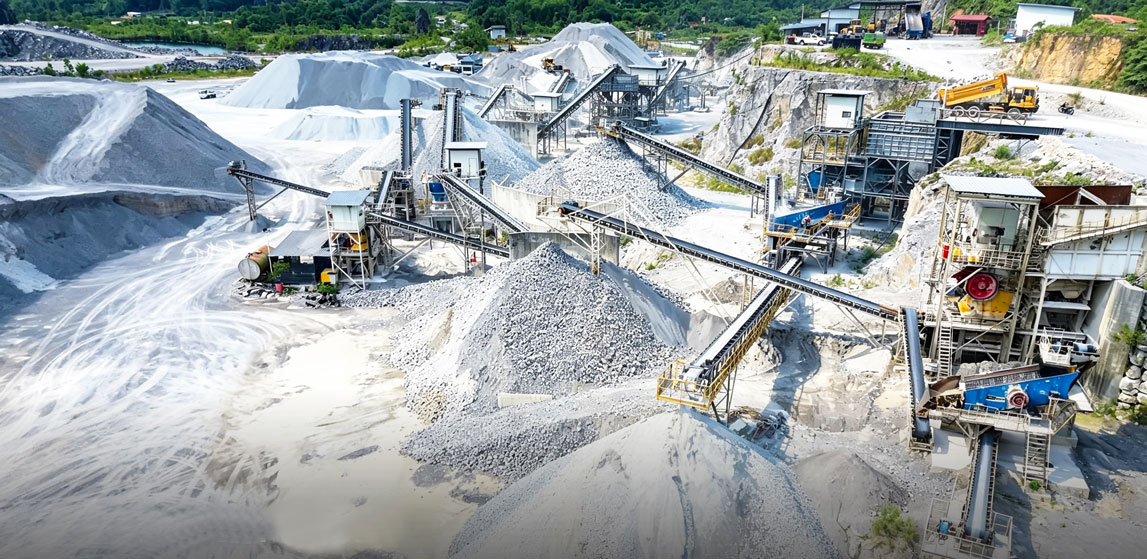
Manufactured sand cannot eliminate every challenge associated with natural sand supply, but it offers construction markets a valuable alternative. By converting suitable quarry rock into controlled fine aggregates, producers can diversify available resources, reduce dependence on river sand extraction, and improve the use of local mineral materials.
Long-term success depends on more than installing a sand making machine from stone. Raw material evaluation, process design, product testing, environmental management, and market demand must all be considered together. With appropriate equipment and quality control, manufactured sand production can support a more stable and resource-efficient supply of construction aggregates.