
In the high-stakes world of mobile crushing, the difference between a profitable campaign and a financial debacle is often measured in hours of uptime. The track mounted crusher, a marvel of engineering, operates in some of the harshest environments imaginable, where dust, grit, and extreme loads conspire against its mechanical integrity. Amidst the sophisticated electronics and robust hydraulics, one fundamental, often undervalued practice stands as the sentinel against catastrophic failure: daily lubrication. This quotidian ritual, when executed with precision, is the most potent elixir for longevity. This article will dissect the critical role of this preventative measure, illustrating how a disciplined approach to lubrication can dramatically extend component life, optimize performance, and significantly enhance the return on investment for these capital-intensive assets.
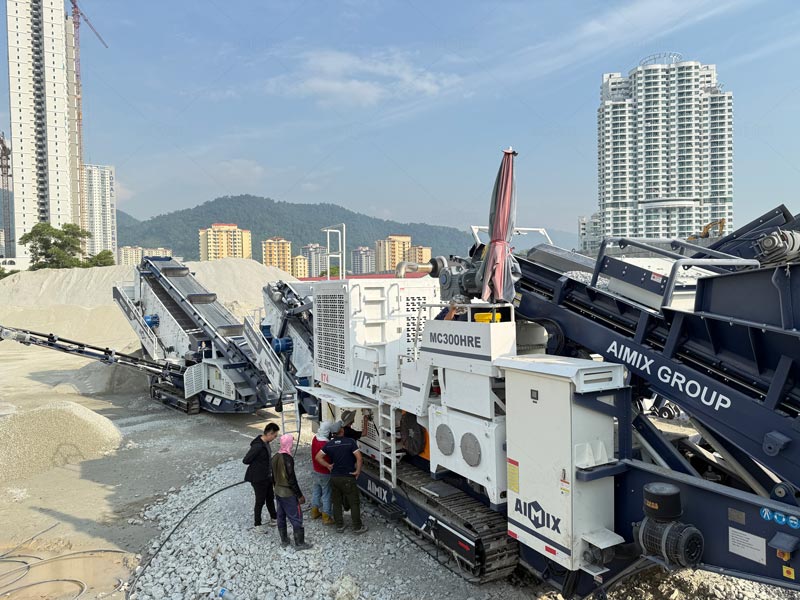
The Physiology of Friction: Understanding the Enemy Within
The primary adversary of any mechanical system is friction. In a track crusher, friction manifests not as a single foe but as a multifaceted plague, attacking pivot points, bushings, and drive mechanisms. Understanding the physical processes at play is the first step in appreciating why daily lubrication is non-negotiable.
Combating Abrasive Wear and Metal Fatigue
When metal surfaces slide against each other without the protective film of lubricant, micro-welding and subsequent tearing occur at the asperity level. This phenomenon, known as adhesive wear, generates heat and microscopic metal particles that act as an abrasive slurry, accelerating the degradation of the components. This is particularly pernicious in the track chain, where pins and bushings are subjected to immense radial loads and shearing forces. The presence of grit and dust exacerbates this abrasion, leading to rapid elongation of the track chain and premature failure of the undercarriage. A daily dose of high-quality grease intervenes in this destructive cycle, creating a hydrodynamic film that separates the metal surfaces and carries away contaminants, effectively neutralizing the abrasive agents.
Preventing Corrosion and Seizure
Condensation and atmospheric moisture are relentless enemies. In the absence of a protective lubricant film, exposed metal surfaces are susceptible to rust and corrosion. This electrochemical attack compromises the structural integrity of components and increases the coefficient of friction, leading to stick-slip phenomena and eventual seizure. This is particularly critical for pivot pins and bushings in the mobile jaw crusher mechanism and the various articulation points on the booms. A proper lubricant not only provides a slippery film but also contains rust and oxidation inhibitors. This chemical protection ensures that the components remain free-moving and responsive, preventing the insidious damage that can render a machine unserviceable.
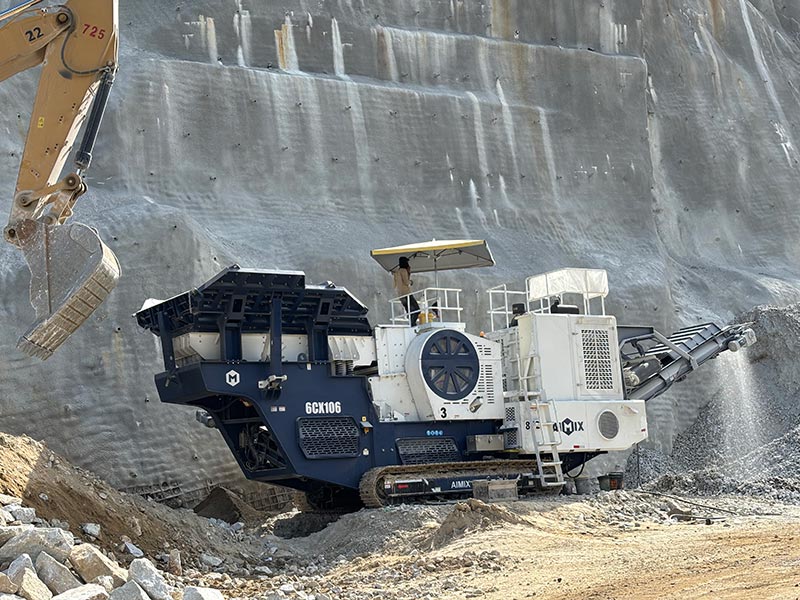
Implementing a Rigorous Daily Lubrication Protocol
Acknowledging the importance of lubrication is one thing; executing a disciplined, effective protocol is another. The efficacy of the practice hinges on using the correct materials, adhering to a stringent schedule, and employing proper application techniques.
Selecting the Optimal Lubricant and Application
The choice of lubricant is far from arbitrary. It must possess the appropriate viscosity for the ambient operating conditions and the specific application. The NLGI (National Lubricating Grease Institute) grade, the type of thickener (e.g., lithium complex, calcium sulfonate), and the inclusion of extreme pressure (EP) additives are all critical variables. Using a substandard or incorrect grease is often worse than using none at all. Furthermore, the method of application is crucial. Auto-lube systems can be calibrated to deliver precise amounts of grease to each point at set intervals, ensuring consistency. For manual greasing, the stone crusher machine operator must ensure the old, contaminated grease is purged until fresh, clean lubricant is observed at the seal. This meticulousness is the hallmark of a professional maintenance regime.
Integrating Inspection with Lubrication
Daily lubrication should not be a mindless, robotic task. It is a valuable diagnostic opportunity. As the operator applies grease to each point, they should perform a visual and tactile inspection. Are there signs of unusual wear, such as scoring on the pin? Is the seal intact, or is there evidence of leaking or wear? Is the existing grease free of metallic flakes or water contamination? This integrated approach transforms a simple maintenance task into a proactive inspection, allowing for the early detection of anomalies before they escalate into costly failures. It transforms the operator from a mere user into a guardian of the machine’s mechanical health.
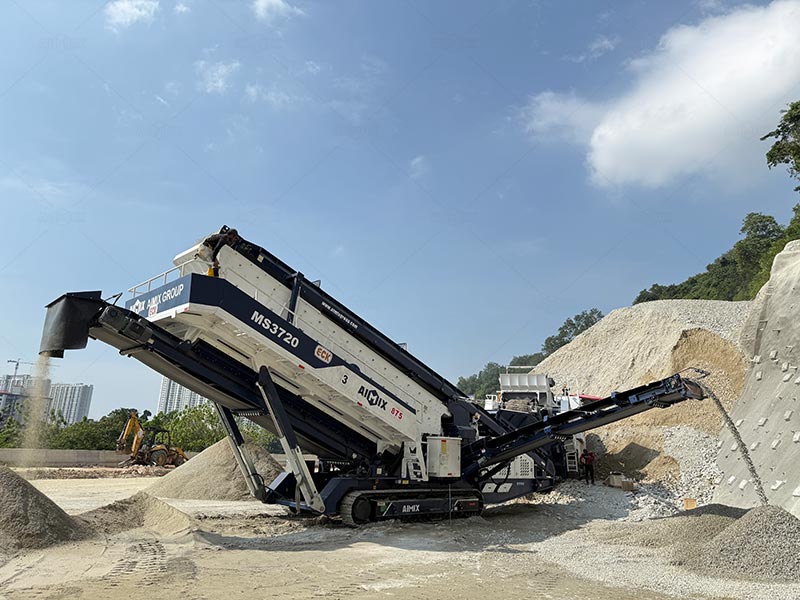
The Economic Calculus of Preventative Maintenance
The benefits of a diligent lubrication regimen extend far beyond the mechanical, manifesting as tangible and significant financial advantages. The cost of a grease gun and a few cartridges of lubricant is infinitesimal compared to the cost of replacing a set of track chains or a main bearing.
Cost Avoidance and Reduced Unplanned Downtime
Unplanned downtime is the arch-nemesis of profitability. When a component seizes due to a lack of lubrication, the impact crusher machine is rendered inoperative, often for a protracted period while repairs are orchestrated. The financial impact is multifaceted: the cost of replacement parts, the labor for installation, and, most critically, the lost production revenue. Daily lubrication is the most effective and economical insurance policy against this catastrophic downtime. The investment of 15 to 20 minutes of operator time each day is a minuscule price to pay to avert the spectre of a week-long shutdown.
Extending Component Lifespan and Maximizing ROI
The undercarriage of a track crusher is one of the most expensive sub-systems to replace. Similarly, the bearings and bushings in the crushing chamber are precision components. A disciplined lubrication schedule can dramatically extend the service life of these expensive components, often by a factor of two or more. This extension of operational life means that the capital invested in the machine is spread over a greater number of productive hours, significantly enhancing the overall return on investment. It is a testament to the principle that meticulous care is not a cost, but an investment in the long-term productivity and financial viability of the asset.