
In the modern construction landscape, efficiency is the primary currency. As projects become more complex and timelines tighten, the engineering behind equipment has shifted toward modularity. Modular design—the practice of building a system out of separate, standardized units—has a profound impact on the total cost of ownership. While many buyers focus solely on the initial sticker price, understanding the relationship between modularity, installation speed, and long-term flexibility is essential for making a smart investment in today’s competitive market.
The transition to modular systems represents a departure from traditional “stick-built” machinery. In the past, heavy machinery was shipped in loose components and required an army of engineers to assemble on-site. Today, the demand for agility has forced manufacturers to rethink the structural DNA of their equipment. This shift influences everything from the initial concrete plant price(planta de hormigón precio) to the eventual resale value of the machinery, creating a complex financial profile that every project manager should understand before signing a purchase agreement.
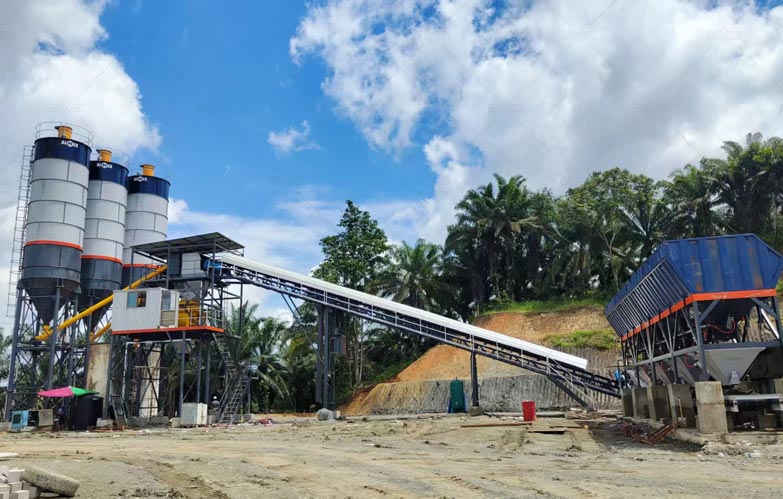
The Economics of Modular Construction Equipment
When investigating a concrete plant price, the first thing a buyer notices is that modular and stationary units occupy different price brackets. Modular design involves significant “pre-engineering.” This means the factory does the heavy lifting of integrating electrical systems, plumbing, and structural alignments before the machine ever reaches the job site. While this can lead to a slightly higher upfront cost compared to traditional, “component-built” stationary plants, the trade-off comes in the form of drastically reduced onsite labor and infrastructure requirements.
This shift from “onsite construction” to “onsite assembly” fundamentally alters the financial breakdown of a project. Instead of spending capital on temporary onsite labor, the buyer is investing in factory-controlled precision. This ensures that every bolt hole aligns and every sensor is calibrated in a controlled environment, reducing the risk of expensive “field fixes” that often occur with non-modular equipment.
Breaking Down the Price Premium
Why does a modular small concrete plant sometimes cost more than its non-modular equivalent? The answer lies in the complexity of the frame and the precision of the manufacturing process. To make a plant modular, every section must be self-supporting and designed for quick connections. This requires higher-grade steel, specialized shipping dimensions, and sophisticated plug-and-play wiring harnesses.
You aren’t just buying a mixer and a belt; you are buying a pre-integrated system designed to minimize human error during setup. The engineering hours required to ensure that two large steel modules will align perfectly in a remote field are reflected in the initial investment. Furthermore, modular units often incorporate advanced control systems as standard features. Because these plants are designed to be moved, their software is built to be recalibrated quickly, which adds a layer of technological value that stationary models might lack.
Installation Cost Savings: The Hidden Profit
The most significant financial benefit of modularity is found in the “Installation and Commissioning” line item of a project budget. Traditional plants require weeks of onsite welding, wiring, and foundation curing. In contrast, a mobile concrete plant built on a modular chassis can often be operational within a matter of days, or even hours in some high-end configurations. This speed directly offsets the higher purchase price by slashing the “soft costs” that often plague large-scale infrastructure projects.
Reduced Labor and Tooling Costs
Because the modules are pre-tested at the factory, the need for specialized technicians on-site is minimized. You save on several fronts:
- Crane Rentals: Shorter installation windows mean fewer days of expensive heavy-lift equipment hire. A job that takes two days instead of ten can save tens of thousands of dollars in equipment rental alone.
- Foundations: Many modular designs, especially those for a small concrete plant, require only a flat, compacted surface or simple steel plates rather than deep, reinforced concrete pits that take weeks to cure.
- Electrical Work: Pre-wired modules eliminate the need for an onsite industrial electrician to run thousands of feet of cable and troubleshoot complex connections.
- Site Supervision: With fewer moving parts and a simplified assembly process, you require fewer high-paid project managers to oversee the setup.
Minimizing Opportunity Cost
In the construction world, time is money. A mobile concrete plant Peru(planta de concreto móvil perú) contractors utilize for remote highway projects, for instance, allows production to begin weeks ahead of a stationary alternative. That head start translates directly into faster project completion and earlier bonus realizations. If your plant can start pouring concrete 15 days earlier than a competitor’s, the revenue generated in those two weeks often covers the entire price gap between a standard and a modular unit. In high-stakes bidding, the ability to promise a faster start-up can be the difference between winning and losing a contract.
Flexibility and the “Second Life” Value
Modular design doesn’t just affect the price during the purchase; it affects the asset’s value over its entire lifecycle. A small concrete plant that is easy to dismantle is inherently more valuable on the resale market than one that must be cut apart with torches to be moved. The “de-installation” cost is a factor many forget to include in their ROI calculations, but it is where modularity truly shines. Owners can recover a much higher percentage of their initial investment because the buyer knows they won’t spend a fortune moving the unit.
Scaling and Upgrading with Ease
One of the hallmarks of modularity is the ability to “add-on” as business grows. If a contractor starts with a basic configuration but later needs more storage silos or an additional chemical additive system, a modular plant allows these components to be “plugged in” to the existing framework. This prevents the need to replace the entire system when production demands increase, saving the owner from a massive capital expenditure down the road. This scalability makes the initial concrete plant price easier to swallow, as it represents a foundation for future growth rather than a static capacity.
Mobility in Developing Markets
In regions with rapidly expanding infrastructure, such as the market for a mobile concrete plant Peru, the ability to move the plant from one province to another is a massive cost-saver. Instead of buying a new plant for every project or paying exorbitant fees for heavy-haul transport of oversized components, modularity allows for “towed” transport or standard shipping containers. This reduces logistics costs to a fraction of traditional shipping rates and allows a single asset to serve multiple job sites across a vast geographical area. This geographical flexibility ensures that the machine is always where the profit is highest.
Is the Premium Worth It?
Deciding whether to pay the modular premium depends on your project’s specific needs and the expected duration of the work. If a plant is intended to sit in one location for twenty years and never move, a traditional stationary model might offer the lowest concrete plant price. However, for the vast majority of modern contractors who move between sites or face tight deadlines, the versatility of a mobile concrete plant(una planta de hormigón móvil) far outweighs the initial cost.
Calculating Total Cost of Ownership (TCO)
To truly understand the value, you must look at the TCO rather than the MSRP. This comprehensive calculation should include:
- Purchase Price: The initial capital outlay.
- Shipping Costs: Modular units are often designed to fit in standard containers, saving on “Out of Gauge” shipping fees.
- Installation Labor: Man-hours required to get the plant running.
- Foundation Work: Cost of concrete, excavation, and curing time.
- Decommissioning: The cost to pack up when the job is done.
- Resale Value: The estimated price the plant will fetch in 5-10 years.
When these factors are totaled, modular plants often prove to be 15-20% cheaper over a three-year period than their “cheaper” stationary counterparts. The ability to pivot quickly to new opportunities is a competitive advantage that is hard to quantify but easy to see on a balance sheet at the end of the fiscal year.
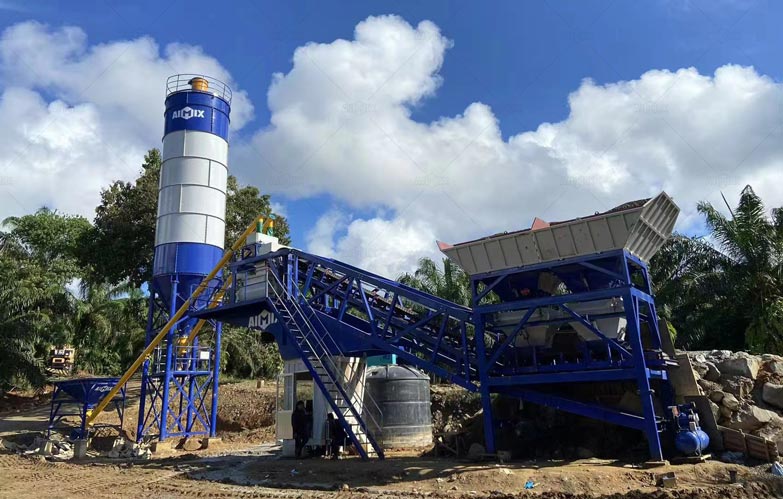
Conclusion
Modular design has revolutionized the way we value construction machinery. While it may introduce a slight price premium at the point of sale due to higher engineering and material standards, the massive savings in installation, the reduction in downtime, and the increased resale value make it the more economical choice in the long run. Whether you are looking for a small concrete plant for urban infill projects(planta de concreto pequeña para proyectos de relleno urbano) or a robust mobile concrete plant for a cross-country highway, the efficiency of modularity is the key to protecting your bottom line and ensuring project success.