
The concrete industry stands at a peculiar crossroads. On one hand, it forms the literal foundation of modern infrastructure; on the other, it has long carried a reputation as a profligate consumer of one of the planet’s most precious resources: freshwater. For decades, the stationary batching plant operated under a linear economic model—water was drawn from municipal supplies or boreholes, mixed into the concrete, and then, after the inevitable washout of mixer drums and plant components, sent flowing into settling pits or, worse, local drainage systems. This paradigm is shifting, not merely due to regulatory pressure but from a dawning realization within the industry that water, like aggregate and cement, is a finite and increasingly contested input.
The emergence of closed-loop water recycling systems represents a fundamental re-engineering of the batching plant’s relationship with its own waste stream. Rather than treating wash water as a disposal problem, modern plants are beginning to see it as a recoverable asset. This transition toward zero-waste concrete production is not an exercise in idealism; it is a pragmatic adaptation to tightening environmental standards, rising water tariffs, and the undeniable economic logic of reclaiming what was once discarded. For the ready-mix producer operating in water-stressed regions or urban environments where discharge permits are increasingly difficult to secure, the closed-loop system has moved from a novel sustainability feature to a competitive necessity.
The Mechanics of Closed-Loop Recycling Systems
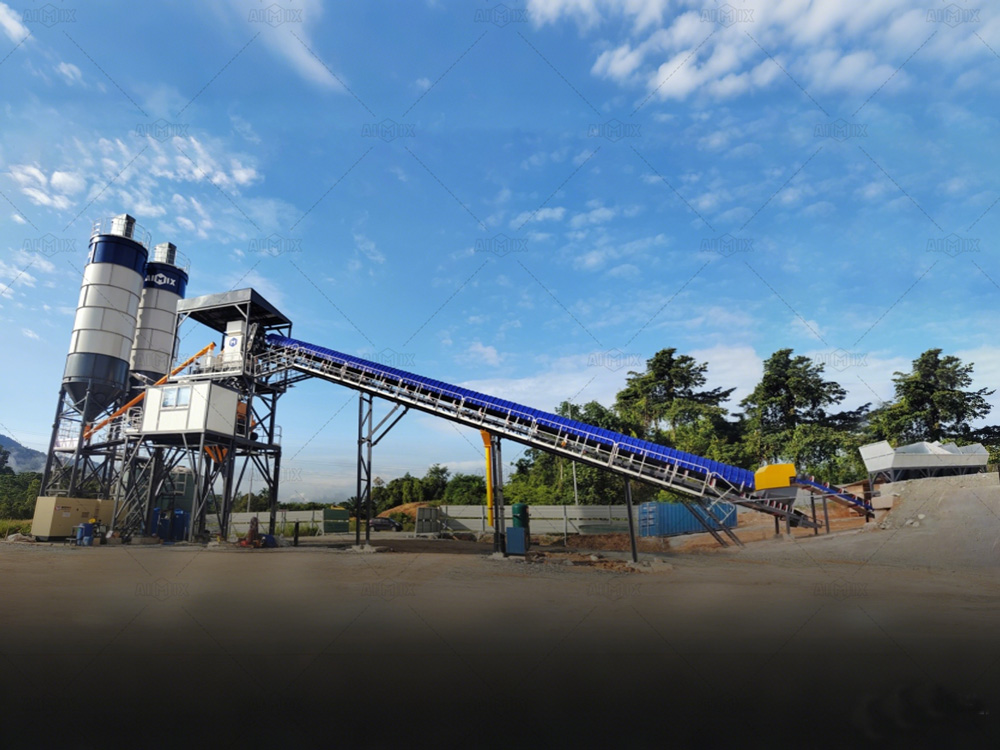
To appreciate the transformation, one must first understand the engineering that enables it. A closed-loop water recycling system in a stationary batching plant is far more sophisticated than a simple settling basin. The process begins at the point of generation: the truck mixer washout bay, the ready mix concrete plant’s central mixer cleanout, and the stormwater runoff from the aggregate stockpile areas. All this water—heavily laden with cement fines, sand, and microscopic particles of unhydrated binder—is channeled into a collection system rather than being discharged off-site. From there, it enters a multi-stage treatment train. The first stage typically involves a coarse aggregate reclaimer, a rotating drum or screw mechanism that separates larger stone and sand particles from the slurry. These solids are returned to the aggregate stockpiles for reuse in future mixes, recovering material that would otherwise become waste. The remaining slurry, now reduced to a murky suspension of cementitious fines and water, moves to a system of thickening tanks or a filter press. Here, the solids are allowed to settle or are mechanically separated, yielding a clarified water that can be reintroduced into the batching process. The recovered cementitious fines, often referred to as “sludge cake,” can be utilized in controlled proportions or sent to specialized processors for further reclamation. What emerges from this closed circuit is a system where water circulates continuously—from storage tank to mix design, from mixer washout to reclamation, and back again—with minimal net consumption and virtually no liquid discharge leaving the plant boundary.
Quality Control and Mix Design Adaptation
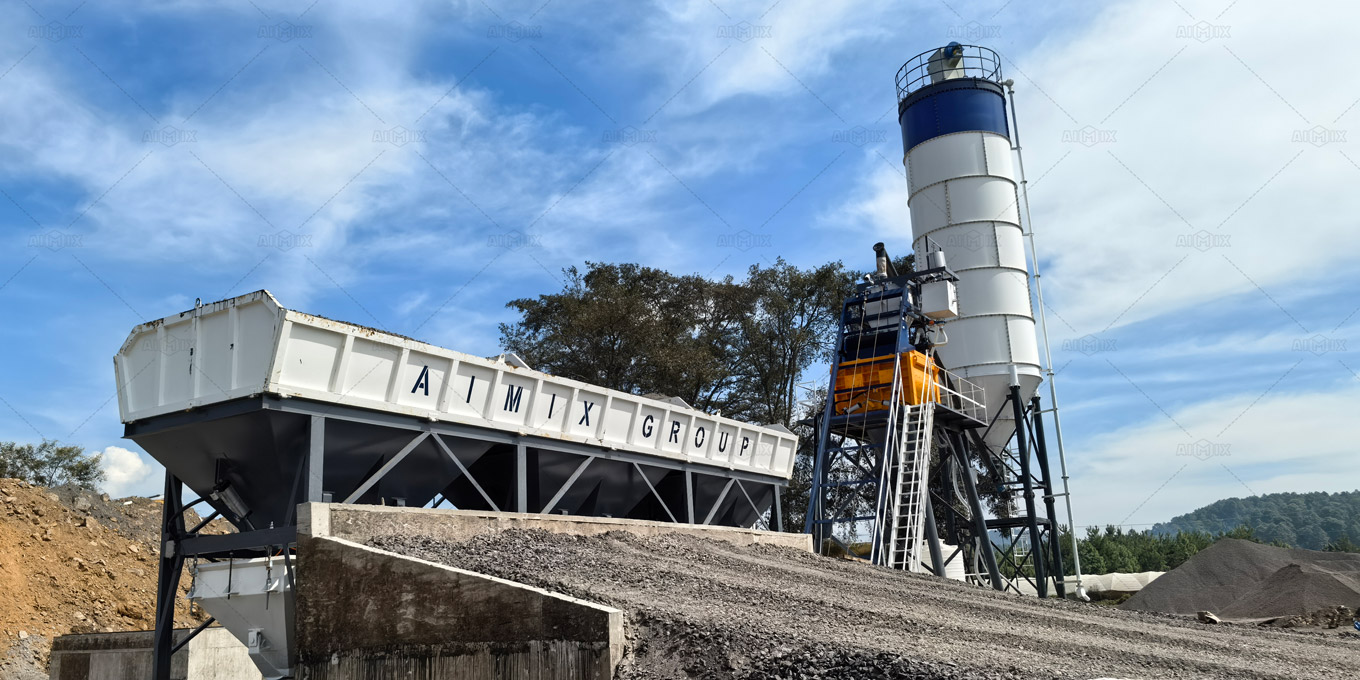
The most persistent skepticism regarding closed-loop water recycling centers on a legitimate concern: can reclaimed water produce concrete that meets the same rigorous standards as mixes made with potable water? The answer, when systems are properly managed, is unequivocally yes, but it requires a shift in how quality control is approached. The challenge lies in the chemical complexity of reclaimed water. It contains dissolved alkalis, sulfates, and fine cementitious particles that can influence setting times, workability, and ultimate compressive strength if not carefully accounted for. Progressive concrete batching plants for sale address this by installing real-time monitoring equipment that continuously measures the specific gravity or total solids content of the reclaimed water. This data feeds directly into the batching control system, which automatically adjusts the water addition and cement content to compensate for the materials already present in the recycled stream. This dynamic calibration ensures that the total water-to-cement ratio remains precisely within specification, batch after batch. Furthermore, the integration of closed-loop systems has prompted a deeper understanding of concrete chemistry among plant personnel. Operators learn to monitor the accumulation of fines in the system, scheduling periodic purge cycles or balancing the reclaimed water with fresh water to maintain optimal performance. The outcome is a concrete product that is indistinguishable from—and in some cases, due to the presence of fine hydrated particles that enhance early strength development—superior to mixes produced with conventional water sources.
Regulatory Drivers and Economic Justification
The adoption of closed-loop recycling is not occurring in a vacuum; it is propelled by a converging set of regulatory and economic pressures. Across North America, Europe, and increasingly in rapidly developing regions, environmental agencies are tightening restrictions on industrial wastewater discharge. The days of permitting a settling pond that overflows into a nearby watercourse after heavy rain are drawing to a close. Permits now frequently stipulate zero-discharge requirements, particularly in watersheds designated as sensitive or in urban areas where stormwater systems are already overtaxed. Non-compliance carries not only the risk of fines but also the potential for stop-work orders that can cripple a plant’s operations. Economically, the calculus has shifted as well. In many municipalities, water and sewer fees have risen steeply to fund aging infrastructure. A plant that draws thousands of gallons daily for mixing and cleaning, then pays again to discharge that water to the sanitary sewer, faces a mounting operational expense. Closed-loop systems dramatically reduce both water purchases and discharge fees, often achieving payback periods of eighteen to thirty-six months depending on plant volume and local utility rates. Beyond direct cost savings, there is the less tangible but equally significant advantage of permitting certainty. A plant with a proven closed-loop system is far more likely to secure operating permits and maintain positive relationships with local regulatory authorities, avoiding the adversarial dynamic that can arise when plants are perceived as environmental liabilities.
Implementing a Transition Toward Zero-Waste Operations
Transitioning an existing stationary batching plant to a closed-loop configuration requires deliberate planning and a willingness to reimagine workflows. The process begins with a site assessment to determine the optimal placement of reclamation equipment, considering both material flow and the plant’s existing drainage patterns. Retrofitting an older plant presents unique challenges—existing pits may need to be reconfigured, and elevation differences between collection points and treatment equipment must be carefully managed to avoid the need for excessive pumping. For new automatic batching plant installations, integrating closed-loop capabilities from the outset is a significantly more straightforward proposition, allowing designers to grade the site to facilitate gravity flow of wash water to the reclamation system. Equally important to the physical infrastructure is the development of operational protocols. Washout procedures must be standardized to ensure that truck mixers are thoroughly but efficiently cleaned without overwhelming the system’s capacity. Staff training is essential, as operators accustomed to discharging wash water into a pit must learn to work with the rhythm of a system that recycles. Inventory management of reclaimed aggregate and sludge requires attention; the recovered stone and sand must be reintroduced at consistent rates to avoid variations in the final product. When these operational disciplines are established alongside the mechanical infrastructure, the plant achieves a state of genuine closed-loop operation—one where the concept of “waste” in the concrete production process becomes an artifact of a less sophisticated era.