
An asphalt batching plant layout is the difference between steady throughput and avoidable stoppages when highway construction compresses time and space. The optimization goal should be one: make the workflow between drying, mixing, storage, and loading repeatable under tight site constraints, so material supply efficiency is sustained without forcing crews to wait. A practical layout strategy uses measurable distances, buffer capacity thinking, and traffic separation to prevent “micro-delays” from becoming production delays. This article focuses on how to redesign asphalt plant layout decisions around process coupling and access limits.
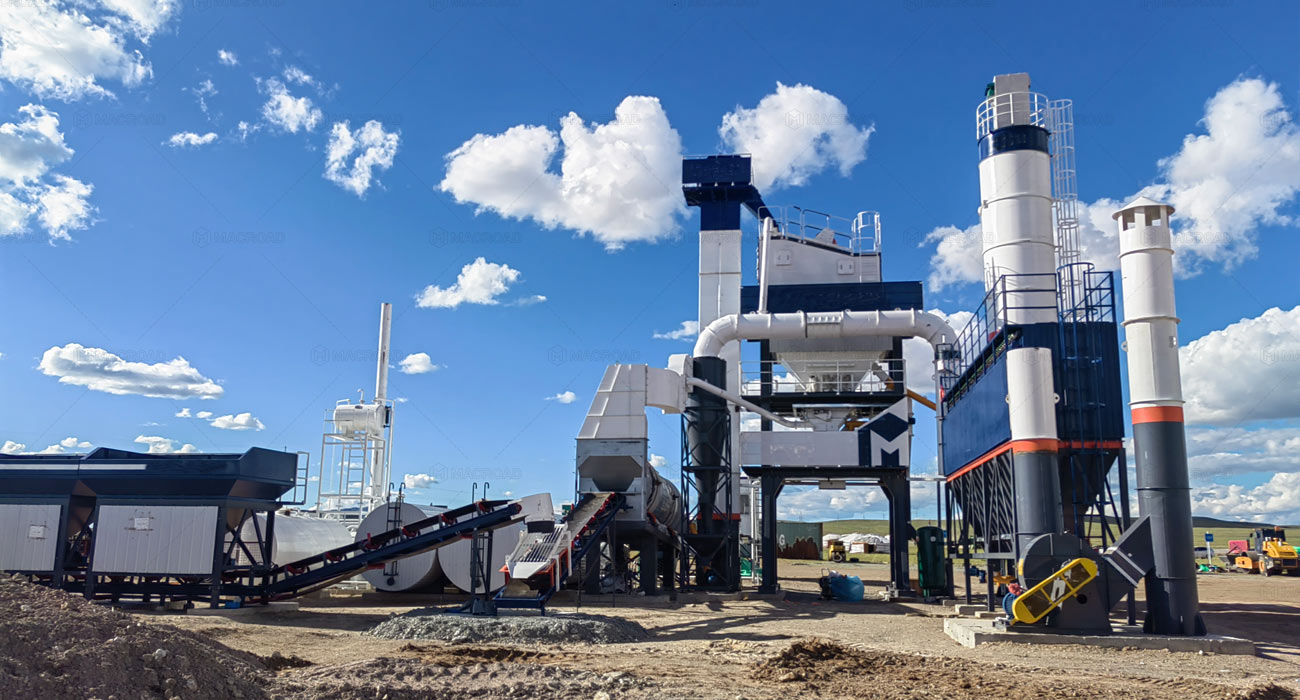
Start with process zoning that matches the drying-to-loading chain
First, treat the plant as a chain with four operational nodes: drying, mixing, storage, and loading. Then place these nodes so the transfer path minimizes handling steps and cross-traffic. When highway construction sites are congested, longer moves between nodes become time losses that appear only after repeated cycles.
Second, ensure the drying area can supply mixing without thermal or moisture disruption. That means the conveyor routing and discharge points should keep material residence and drop heights within your stable operating window. If the layout forces frequent rerouting, crews may “compensate” with manual adjustments that increase variability and delay starts.
Third, position mixing output discharge so it can feed storage consistently. If the asphalt plant layout forces operators to switch routing too often, storage fills unevenly and the loading phase becomes sensitive to small upstream delays. Optimize for balanced inflow to storage before you optimize for minimal footprints.
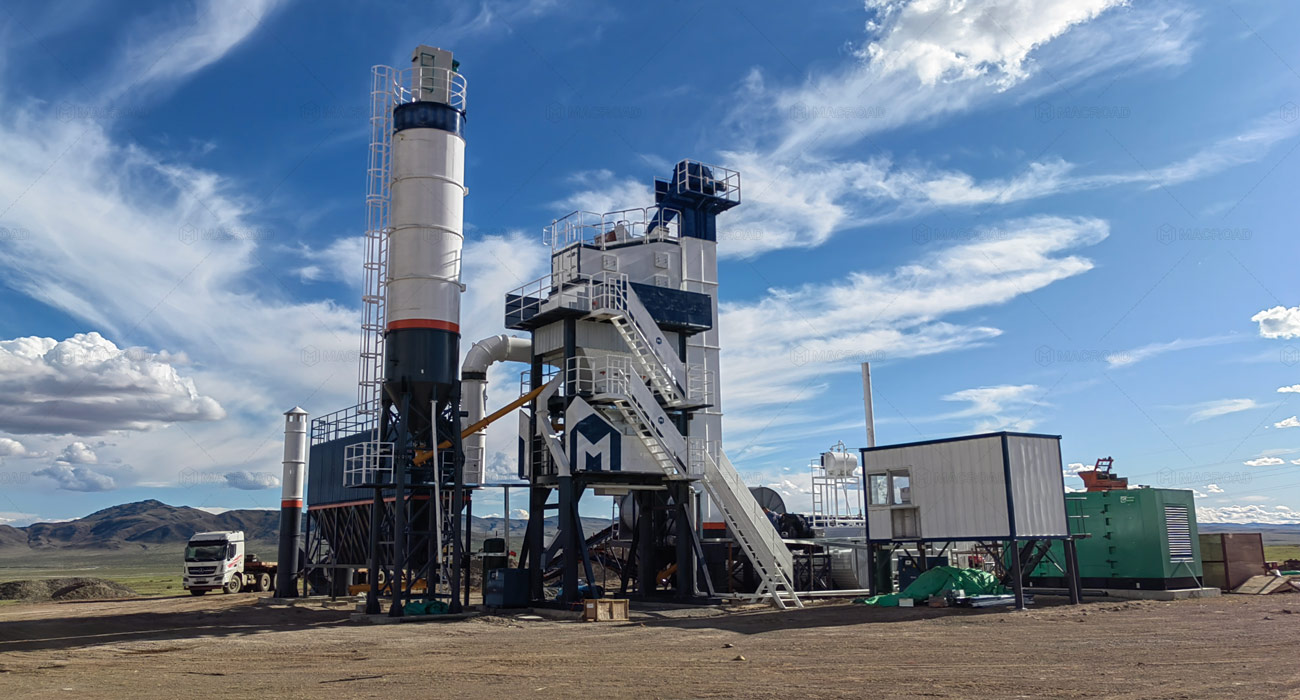
Use buffers and circulation rules to protect workflow under space limits
Next, define buffer capacity between stages as part of the layout, not only as equipment specs. For example, storage arrangement should absorb short drying interruptions without starving the mixers. In cramped highway construction environments, this buffer protection prevents production delays from cascading across stages.
Then, design circulation so trucks, aggregates, and internal service movements never compete for the same turning points. Separate haul routes from worker and equipment access zones. Even if the mixing system of asphalt batching plant is ready, unsafe or inefficient circulation can stop loading and create a visible production delay.
After that, align loading position with storage reclaim and discharge timing. When loading lanes are too close to drying or mixing, heat and dust exposure can force slower operations and frequent stops. A layout that isolates loading conditions supports smoother workflow and reduces the need for repeated on-site corrections.
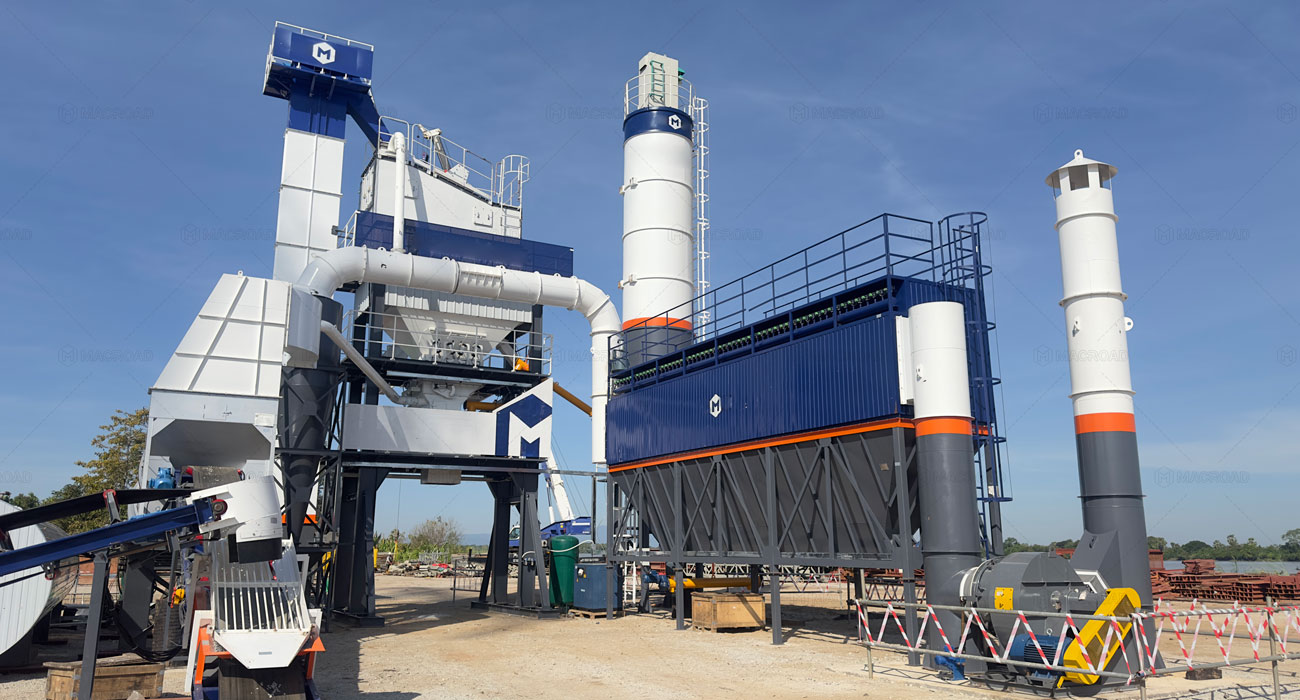
Validate the plan with a relocation simulation workflow test
To ensure the layout truly reduces delays, validate it using a workflow simulation that mirrors peak production. Start with a dry-to-mix-to-storage-to-load cycle under representative supply rates. Record where bottlenecks form: waiting at discharge points, delayed truck arrival, or inconsistent storage feed.
Next, test failure-mode paths. For instance, simulate a short drying slowdown and observe whether mixing still receives stable material. If the highway construction supply chain is uneven, your layout should prevent immediate mixer starvation and should instead shift load management to storage buffering.
Finally, verify maintenance access and control room visibility within the chosen asphalt plant layout. Delays often come from micro-stops during inspections, belt adjustments, or sensor checks. A layout that supports quick servicing and safe access helps keep production stable across day-to-day site pressure.
Conclusion
Optimize the layout of an asphalt batching plant for highway construction by zoning the four core stages—drying, mixing, storage, and loading—so material moves in a short, predictable chain. Protect that workflow with buffer-focused storage placement and circulation rules that prevent trucks and internal movements from interfering. Then validate the asphalt plant layout with a peak-cycle workflow simulation and failure-mode checks to confirm that the system reduces production delays under real site space constraints, including high-pressure operations where Macroad’s process philosophy supports repeatable sequencing.