
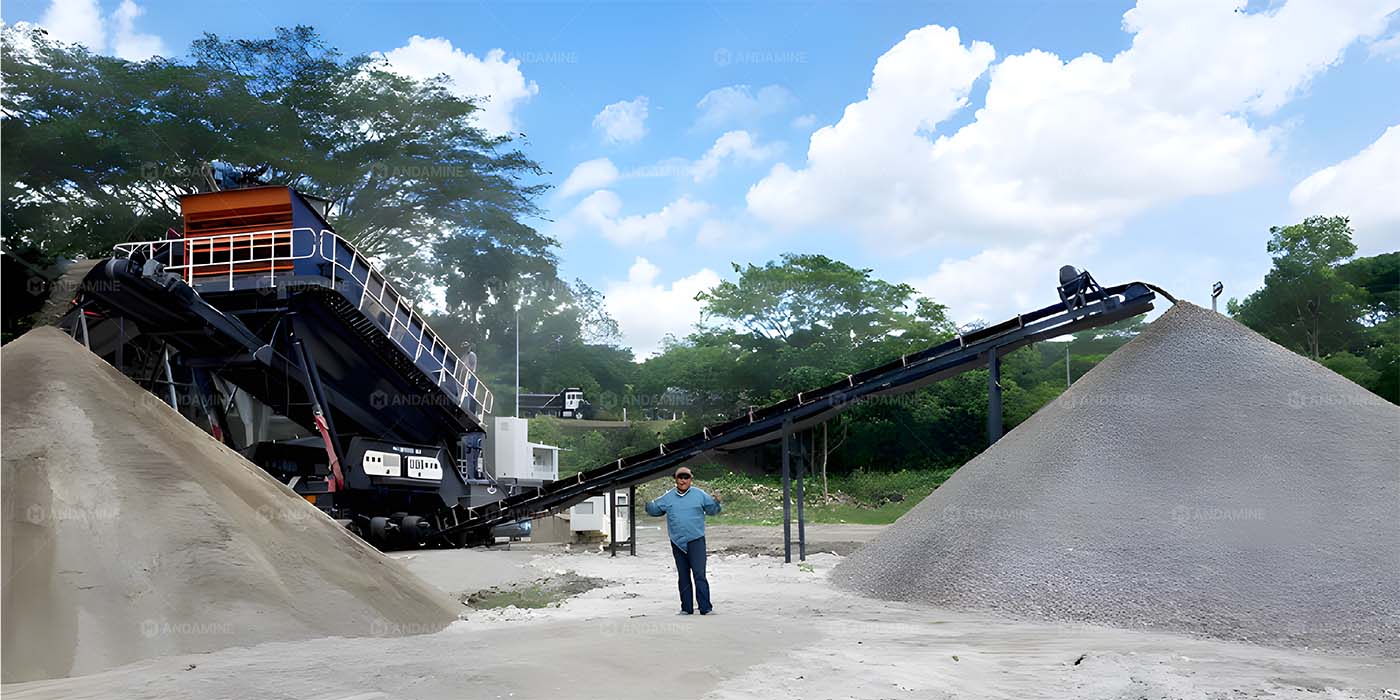
When planning for a granite crusher plant in Indonesia, choosing the right crushing solution is critical to ensure efficiency, high performance, and cost-effectiveness. Granite, being a hard and dense material, requires robust equipment to achieve optimal output. In this post, we’ll explore the most suitable crushing solutions for a 150 TPH granite crusher plant and provide you with the insights you need to make the best decision for your project.
Understanding the Importance of Choosing the Right Crushing Solution
Granite is one of the hardest materials in the construction industry, and processing it effectively requires high-quality crushing equipment. The right crushing solution will not only boost production but also reduce downtime, increase plant efficiency, and lower operational costs. In Indonesia, where granite is commonly used for construction and infrastructure projects, selecting the most effective crushing solution is key to meeting project demands.
Factors to Consider for a 150 TPH Granite Crusher Plant
Before diving into specific crushing solutions, let’s look at the important factors to consider when selecting equipment for a 150 TPH granite stone crusher plant:
- Production Capacity: With a target of 150 TPH (tons per hour), the equipment must be capable of handling high throughput without compromising efficiency.
- Material Characteristics: Granite is tough and abrasive, so crushers with a strong impact resistance and durability are essential.
- Energy Efficiency: An energy-efficient solution helps reduce operational costs over the long term, making it a crucial factor in your investment decision.
- Flexibility: Your plant may need to process different sizes and grades of granite, so a versatile solution that can adjust to varying demands is beneficial.
Crushing Solutions for a 150 TPH Granite Crusher Plant
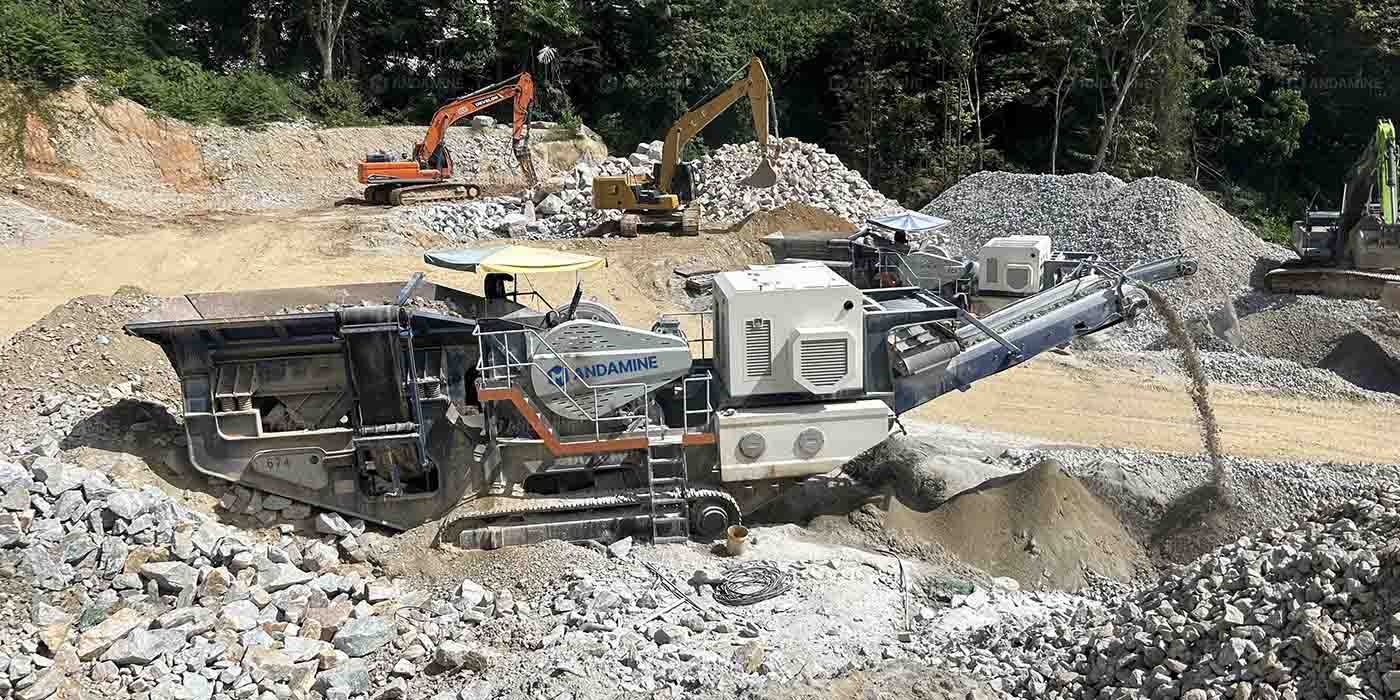
There are several types of crushing solutions that can be considered for a stone crusher machinery in Indonesia. Let’s look at the most suitable options.
1. Jaw Crushers
Jaw crushers are often the first stage in the crushing process. They are known for their ability to handle large feed sizes and produce primary crushed material. For a 150 TPH granite plant, a jaw crusher with a high reduction ratio and robust construction can efficiently break down the tough granite into smaller pieces.
Advantages of Jaw Crushers:
- Strong and reliable, capable of handling heavy feed material.
- High production capacity, which aligns with your target of 150 TPH.
- Durability and ease of maintenance.
However, jaw crushers alone may not provide the required output size distribution for all projects. This is where secondary crushers come in.
2. Cone Crushers
Following the jaw crusher, cone crushers are often used for secondary and tertiary crushing. For a 150 TPH granite plant, a cone crusher can help produce smaller, uniform-sized aggregates. Cone crushers can easily handle the hardness of granite, delivering high crushing efficiency.
Advantages of Cone Crushers:
- High crushing efficiency for finer materials.
- Precise size control for a uniform product.
- Durability and ability to handle tough materials like granite.
Combining jaw crushers and cone crushers in a two-stage crushing process can help achieve the desired output and meet project specifications.
3. Impact Crushers
Impact crushers are an excellent choice for shaping and producing high-quality aggregates from granite. These crushers use impact force to break the material, making them ideal for projects that require a more refined output size.
Advantages of Impact Crushers:
- Ideal for shaping materials and producing cubical aggregates.
- Can process both hard and soft materials.
- High throughput rates with lower energy consumption.
For a 150 TPH granite plant, incorporating an impact crusher can add value, especially if fine aggregates are required for specific construction purposes.
Choosing the Best Crushing Solution for Your Project
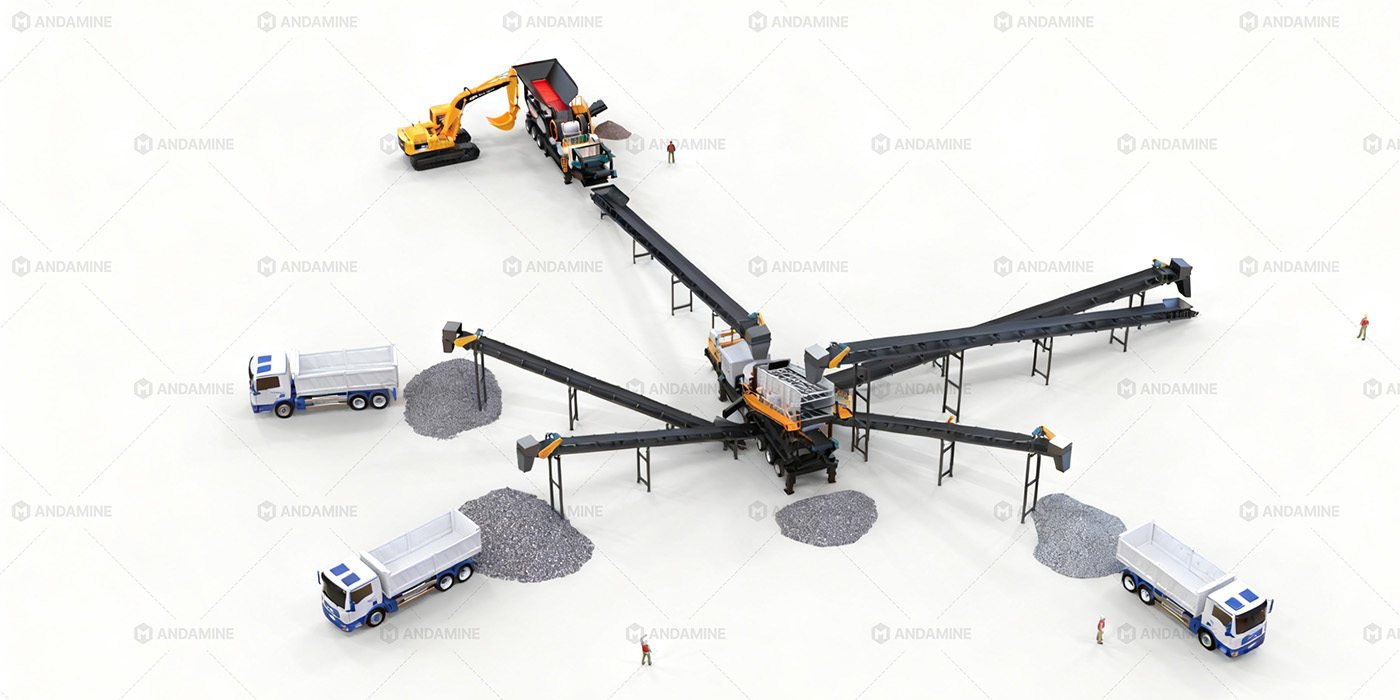
In Indonesia, the final decision on the crushing solution should consider not only production capacity but also the nature of the project. For larger infrastructure projects, where quality aggregate and high throughput are essential, a combination of jaw crushers, cone crushers, and impact crushers can provide an effective solution.
Key Considerations:
- Equipment Compatibility: Ensure that the crushers work well together and are compatible with the entire production process.
- Cost-Effectiveness: Evaluate the initial investment cost against the potential return on investment, considering factors such as energy consumption and maintenance costs.
- Local Support and Service: Choose a supplier that offers strong after-sales service and support, particularly in terms of spare parts and maintenance.
Conclusion
For a 150 TPH granite crusher plant in Indonesia, a combination of jaw crushers, cone crushers, and impact crushers is often the best solution. This combination ensures that your plant can handle tough materials, produce high-quality aggregates, and meet the production capacity needed for large-scale projects. Always consider factors like efficiency, cost-effectiveness, and equipment compatibility when making your decision. By selecting the right crushing solution, you can optimize your plant’s performance and ensure long-term success.
Get in Touch Today
Do you need help selecting the right crushing solution for your granite project? Contact us today to learn more about the best cara menghancurkan batu gunung for your 150 TPH granite crusher plant in Indonesia!