
Stepping into a supplier’s yard or scrolling through aggregate options online can feel a bit like staring at a menu in a foreign language. You’re presented with a list of numbers and names: #57 stone, 3/4″ clear, 1/2″ pea gravel, gravel crusher run. It’s easy to just point at one and hope for the best, but that’s a gamble where the stakes are your project’s durability, drainage, and final appearance. Choosing the right final crushed gravel size isn’t about picking the prettiest rock; it’s a functional decision rooted in engineering principles. The perfect fit is the one that performs a specific job in your project’s unique ecosystem. Let’s decode the numbers and talk about what each size range is truly engineered to do, so you can select with confidence, not just guesswork.
The Language of Gradation: How Sizes are Defined and Why It Matters
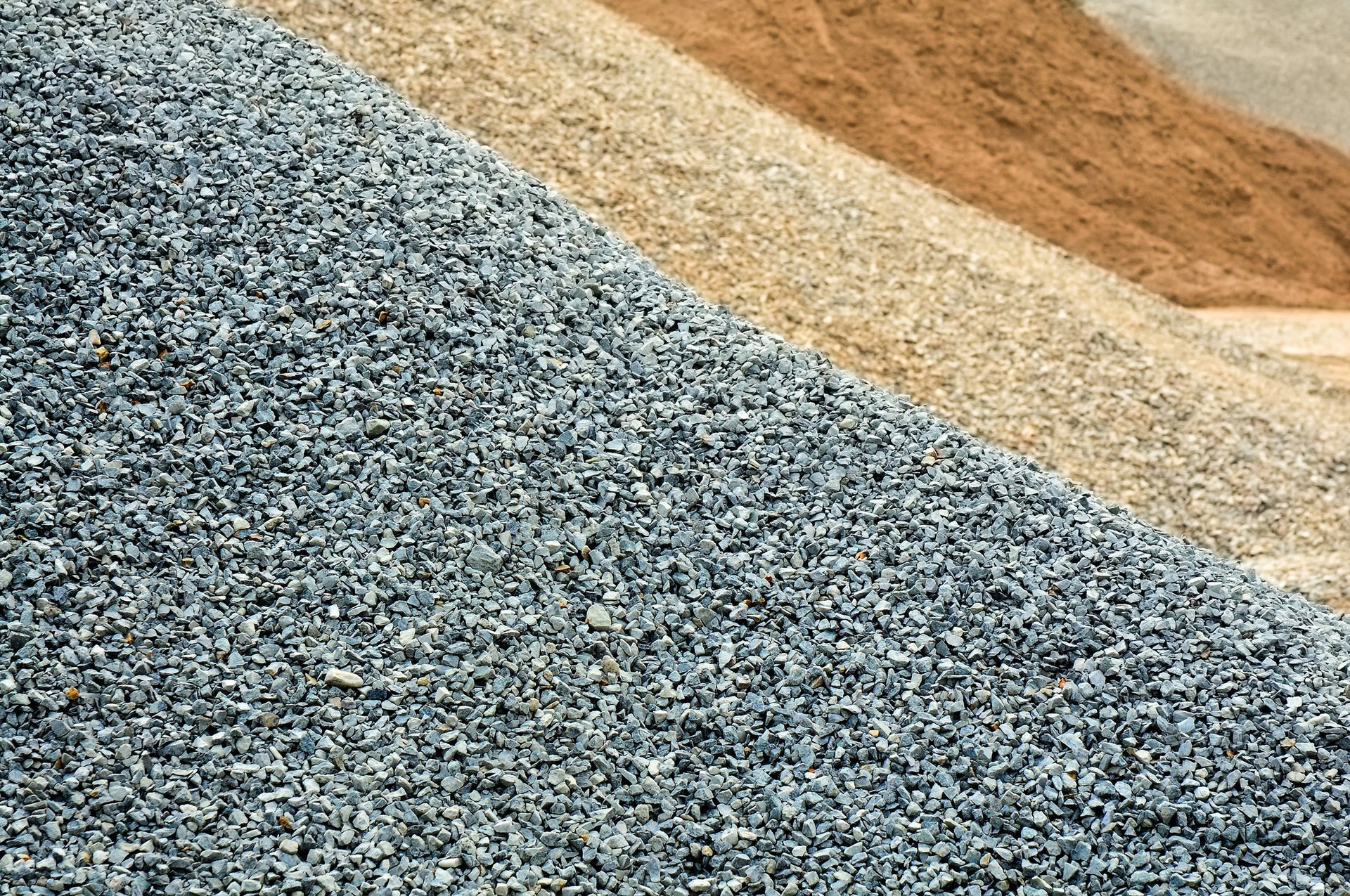
First, we need to understand the vocabulary. Gravel sizes aren’t random; they follow standardized grading systems, most commonly from ASTM International or your local Department of Transportation (DOT). When you see “3/4″ minus,” that “minus” is the critical clue. It means the material will pass through a 3/4-inch square screen mesh, but it includes everything smaller down to the fine dust, known as “fines.” This creates a well-graded mix that packs down tightly. Conversely, a “3/4″ clean” or “clear” stone has been washed or screened to remove most of those fines, leaving mostly the 3/4-inch rocks. This creates an open-graded material with lots of void space between stones for water to flow through. That single distinction—the presence or absence of fines—fundamentally changes the material’s behavior.
Common Sizes and Their Typical Specifications
Let’s break down some of the usual suspects you’ll encounter. It’s helpful to think of them in families based on their primary function.
The Base Layer Family: Stability and Support
This group is all about creating a solid, unshakable foundation. Crusher Run (often called Grade 1, GAB, or 21A) is the quintessential member. It’s a blend of sizes from 1.5 inches down to stone dust, and it compacts into an incredibly dense, almost concrete-like layer. It’s the go-to for driveway and road sub-bases, parking lots, and under patios because it locks together and distributes weight superbly. Similarly, #57 Stone (stones generally between 1 inch and 1/2 inch) is another excellent base material. It’s a little cleaner than stone crushing machine run, offers great drainage within the layer, and is a common requirement for concrete slab foundations and behind retaining walls.
The Drainage and Surface Family: Function and Form
This family prioritizes water movement or aesthetic finish. 3/4″ Clean Stone is the superstar of drainage applications. Because the stones are all roughly the same size, they don’t pack tightly, leaving intentional voids for water to percolate. It’s used in French drains, as a backfill around foundation drains, and in septic drain fields. On the smaller, prettier end, 3/8″ Pea Gravel or 1/2″ Pea Gravel is often chosen for decorative pathways, dog runs, or as a topping for landscaping beds. It’s comfortable to walk on and looks tidy, but it doesn’t compact well for structural support.
Matching Material to Mission: A Project-by-Project Guide
Now, let’s apply this knowledge to real-world scenarios. Choosing the right gravel is about solving the specific problem each project layer presents.
Building a Driveway or Parking Area
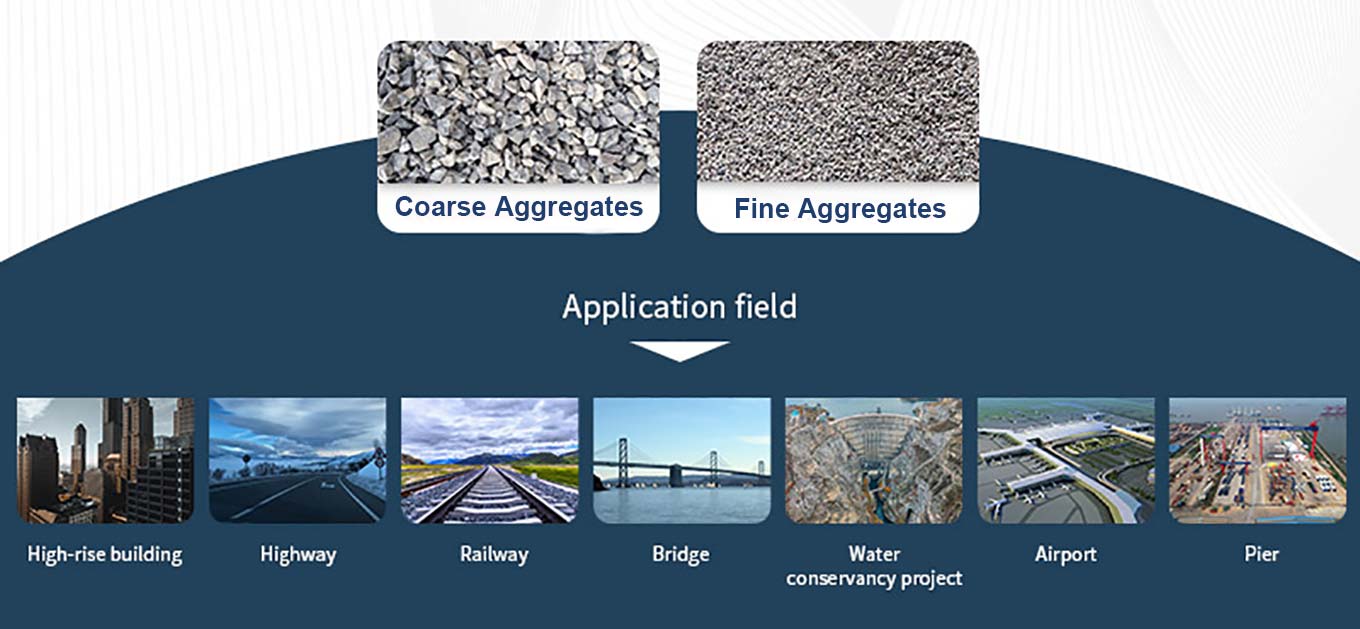
This is a classic multi-layer project. You start with the subgrade (the native soil), which must be properly compacted. Then, you need a base layer that can handle the loads of vehicles without rutting or shifting. Here, a well-compacted layer of Crusher Run or #57 Stone, at least 4-6 inches thick, is non-negotiable. It provides the structural integrity. For the final surface layer, you have choices. More aggregate crushing machine run compacted on top creates a very solid, affordable surface. Some prefer a cleaner, nicer-looking top layer of 3/4″ Clean Stone, though it will be looser underfoot. For a more formal look, you’d move to paving, but the gravel base remains the critical, unseen workhorse.
Landscaping, Drainage, and Utility Work
For a simple garden path where you just want to avoid mud, a 2-3 inch layer of Pea Gravel over landscape fabric works nicely. If you’re installing a French drain to redirect groundwater, the pipe should be surrounded by 3/4″ Clean Stone—the voids are the whole point. When backfilling around a new foundation or a retaining wall, drainage and proper compaction are key. A mix like #57 Stone is often specified because it compacts well while still allowing some water movement, preventing hydrostatic pressure buildup.
The Proactive Steps: How to Ensure You Get What You Need
Knowledge is power, but communication is key. A little prep work before you order can save you from a costly mismatch.
Consulting Specifications and Speaking the Supplier’s Language
If you’re working from an engineered plan or a building permit, check the specifications sheet. It will often explicitly state the required aggregate type (e.g., “ASTM D2940, 3-inch to No. 200 sieve”). That’s your bible—order exactly that. If it’s a personal project, go to your aggregate supplier armed with the right terms. Don’t just say “gravel for a driveway.” Say, “I need rock crusher machine run for a base layer and possibly a top coat of #57 stone.” Describe the function: “I need clean stone for a drainage ditch.” This clarity ensures you get the right material delivered.
Visual Inspection and the “Hand Test”
When the truck arrives, take a moment to inspect the load. Does it look right? For a “clean” stone, you should see defined rocks with little sand or dust. For “crusher run,” it should be a obvious mix of sizes from small rocks down to fine particles. Do a simple hand test. Grab a handful and try to make a snowball. A true crusher run with enough fines will briefly hold a shape when squeezed tightly (though it will crumble easily), confirming its ability to compact. A clean stone will simply fall apart in your hand, confirming its drainage properties. This quick check is your final safeguard before the material hits the ground, ensuring your project starts—and ends—on the right footing.