
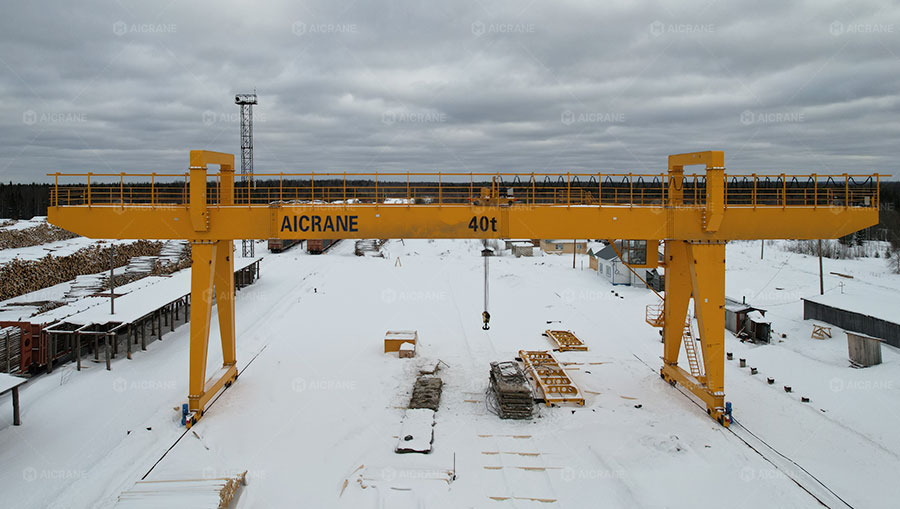
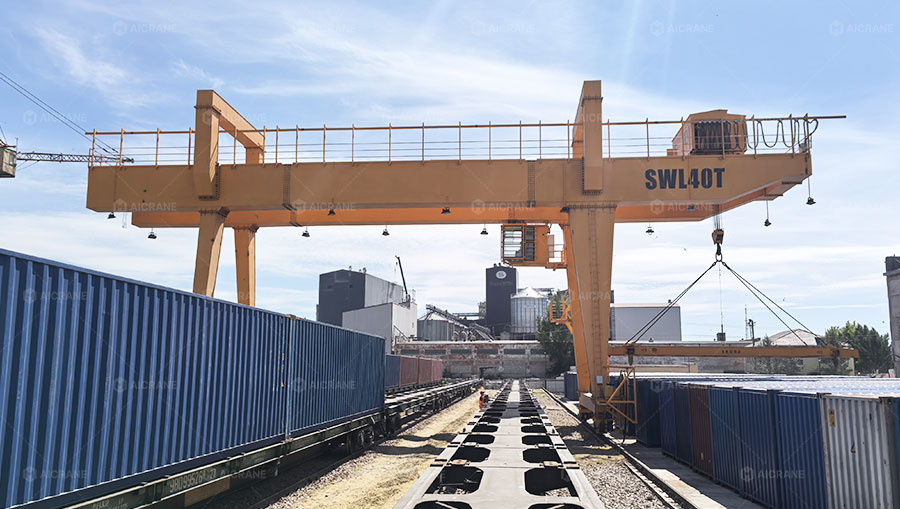
A 40 ton gantry crane stands as a vital piece of heavy lifting equipment across industries – from steel fabrication yards and shipyards to precast concrete plants and logistics hubs. Behind every gantry crane that arrives at a jobsite is an intricate and highly controlled manufacturing journey that transforms raw materials and engineering concepts into a precision-engineered lifting system capable of handling extremely heavy loads safely and reliably.
In this article, we take you inside a gantry crane manufacturing factory to explore every step of the process – from early design and engineering through fabrication, assembly, testing, quality inspection, packing, and delivery.
1. Engineering and Conceptual Design: The Foundation of Quality
The journey begins long before steel is cut or welds are made. In the engineering department, highly skilled designers and structural engineers develop the conceptual plan for the gantry crane based on the customer’s requirements. For a 40 ton gantry crane, key design concerns include load capacity, working environment, duty cycle, span, lifting height, electrical system, safety devices, and site constraints.
Customer Consultation
Before design work begins, factory engineers communicate closely with the customer to understand the specifics:
-
Where will the crane be installed?
-
What types of materials will it lift?
-
How often will the crane operate?
-
Are there any environmental or logistical constraints?
These inputs become technical requirements that shape the engineering design.
Detailed CAD Modeling and Structural Analysis
Using advanced CAD (Computer-Aided Design) software, engineers create detailed three-dimensional models of the crane. Structural analysis tools (such as FEA – Finite Element Analysis) are used to ensure that beams, girders, legs, and joints will withstand stresses during operation without deformation or failure.
This stage also includes electrical system schematics, control systems layout, and safety integration design.
2. Material Selection: Strength That Matters
After the design is finalized and approved, the next step is sourcing the right materials. A 40 ton gantry crane requires high-grade structural steel with specified tensile and yield strengths. Steel plates and sections are selected based on design calculations and regulatory compliance.
Quality Control on Materials
Reputable factories conduct rigorous checks upon receiving raw steel:
-
Certification of material grade
-
Chemical composition analysis
-
Physical dimension inspections
-
Visual checks for surface defects
Using substandard or uncertified steel can compromise safety and structural integrity, so reputable manufacturers emphasize quality assurance at this early stage.
3. Precision Fabrication: Cutting and Shaping Steel
Fabrication is where raw steel begins its transformation into crane components.
Cutting and Profiling
CNC flame cutters, plasma cutters, or laser cutting machines accurately cut steel plates and profiles according to precise CAD-generated patterns. Precision here ensures that all pieces will fit together perfectly during assembly, minimizing errors and material waste.
Bending and Rolling
Large steel sections – including bridge girders and legs – often require bending or rolling into curved shapes. Specialized rolling equipment ensures consistent and accurate curves for load-bearing structural components.
Machining
Critical parts such as wheel hubs, pin joints, and motor mounting plates are machined to exact tolerances. These machining operations ensure perfect fit between moving parts and structural components.
4. Welding and Assembly: Crafting the Structure
Once individual steel parts are prepared, the welding phase begins.
Skilled Welders at Work
Certified welders perform structural welding following strict procedures and welding codes. All welding is inspected visually and by non-destructive testing (NDT) techniques such as ultrasonic inspection or magnetic particle testing to ensure weld integrity.
This phase includes:
-
Assembly of the main bridge
-
Welding of legs and cross beams
-
Integration of gusset plates and stiffeners
-
Preparation of mountings for hoist and trolley equipment
Longitudinal welding quality is critical for performance under load – especially for double girder gantry cranes designed to carry 40 tons.
5. Surface Treatment: Protection Against Corrosion
After welding and assembly, parts are cleaned and prepared for protective surface treatment. This usually includes:
-
Shot blasting to remove rust and mill scale
-
Primer application
-
Top coat paint or specialized industrial coatings
Gantry cranes operating outdoors often receive high-performance coatings that resist corrosion, UV exposure, and environmental wear.
6. Mechanical and Electrical Installations: Bringing It to Life
Once structural fabrication and painting are complete, the mechanical and electrical installation stage begins.
Mechanical Components
-
Wheel Assemblies: Precision-mounted wheels are installed on legs and bridge.
-
Hoist and Trolley: A heavy-duty electric hoist capable of lifting 40 tons is mounted, along with a trolley system that travels across the gantry span.
-
Brake Systems: Redundant braking mechanisms are integrated to enhance safety.
Electrical Systems
The electrical team installs:
-
Main power distribution
-
Control panel
-
Variable frequency drives (VFDs)
-
Limit switches
-
Safety interlocks
-
Operator control systems (ground control station, pendant push-button, or optional cabin)
All wiring and electrical components are installed following industry safety standards and tested for continuity and insulation resistance.
7. Factory Acceptance Testing (FAT): Ensuring Performance and Safety
Before the industrial gantry crane is disassembled for shipment, it undergoes a comprehensive Factory Acceptance Test (FAT). This is one of the most critical stages in the manufacturing process.
Load Testing
A 40 ton crane must undergo load tests at and above rated capacity:
-
Incremental loading to design limits
-
Dynamic lifting tests
-
Testing of emergency stops
-
Verification of overload protection devices
Motion and Control Testing
Every movement is tested:
-
Hoist up/down
-
Trolley travel
-
Bridge travel
-
Braking under full load
-
Control system responsiveness
The FAT ensures that the crane performs safely and exactly as designed before leaving the factory.
8. Quality Inspection and Certification
Alongside FAT, independent quality inspectors may verify compliance with international standards such as:
-
ISO 9001 quality system
-
FEM / DIN / OSHA safety standards
-
Local statutory compliance requirements
Inspection reports, material certificates, weld logs, and FAT reports are compiled and provided to the customer.
9. Packing and Preparation for Shipment
Once the crane is approved, it is disassembled and packed for transport.
Packaging Methods
-
Components are wrapped
-
Fragile or sensitive parts protected
-
Corrosion inhibitors may be applied for ocean transport
-
Heavy parts secured on skids or specially fabricated frames
Large gantry cranes often require flat rack shipping or open deck trailers depending on destination, size, and weight.
10. Logistics and Delivery: From Factory Gate to Jobsite
Delivery of a 40 ton gantry crane is a complex logistics operation.
Domestic Delivery
For local or national deliveries, heavy haul trucks, specialized trailers, and sometimes escort vehicles are used to move large crane components safely to the customer site.
International Shipping
For overseas clients:
-
Customs documentation is prepared
-
Cargo is loaded onto container ships
-
Freight forwarding coordination ensures timely arrival
-
Arrival port handling and inland transport is arranged
Once at the destination, local installation teams or the gantry crane manufacturer’s technicians prepare for the installation phase.
11. Installation and Final Commissioning
A gantry crane installation crew receives the crane components on site. Experienced field engineers or technicians assemble the crane, perform final adjustments, and conduct a Site Acceptance Test (SAT).
The SAT verifies:
-
Correct installation at site conditions
-
Safety device operation
-
Functional testing under load
-
Operator training (optional but recommended)
Once passed, the crane is commissioned for official use.
12. After-Sales Support and Service
A quality manufacturer provides after-sales support covering:
-
Spare parts supply
-
Maintenance planning
-
Remote or on-site technical support
-
Warranty service
Good after-sales support ensures long-term satisfaction, safety, and uptime for customers.
Conclusion
From initial design concepts to delivery and commissioning, the manufacturing of a 40 ton gantry crane is a highly structured, multidisciplinary process involving engineering precision, material quality, fabrication craftsmanship, safety compliance, and logistical coordination. This rigorous approach ensures that when a gantry crane arrives at a customer’s facility, it stands ready to perform heavy lifting tasks with unmatched reliability and safety.
Whether you are a buyer, engineer, or industry professional, understanding this manufacturing journey helps you appreciate the expertise behind every crane – and why quality matters at every step.